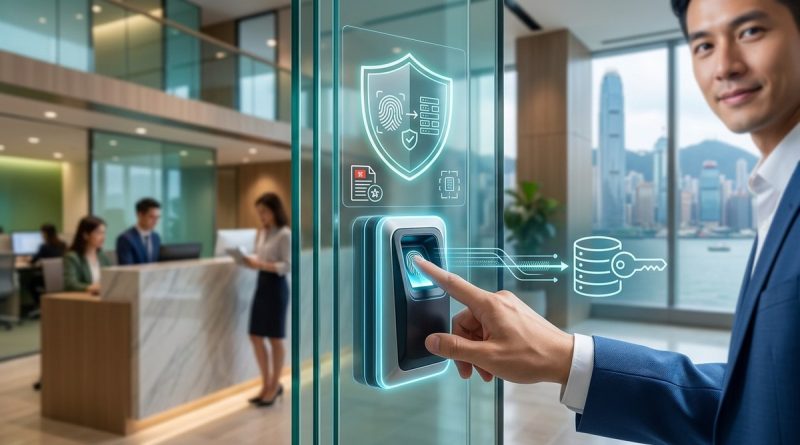
Implementing Biometric Attendance Systems Without Violating Hong Kong’s PDPO
Implementing biometric attendance systems in your Hong Kong workplace can streamline operations and boost efficiency. However, balancing technological advancements with privacy rights is essential. Hong Kong’s Personal Data (Privacy) Ordinance (PDPO) sets clear rules on collecting, handling, and storing biometric data. Failure to comply can lead to hefty penalties and damage your company’s reputation. This guide walks you through practical steps to ensure your biometric attendance system respects privacy laws while providing reliable attendance tracking.
Implementing biometric attendance systems in Hong Kong requires understanding local privacy laws. Focus on transparency, data minimization, and security measures. Following a clear process ensures compliance, protects employee privacy, and maintains trust in your organization’s use of biometric data.
Understanding Hong Kong’s Privacy Framework for Biometric Data
Hong Kong’s privacy regulations are stringent when it comes to biometric data. The PDPO governs how personal data is collected, used, and stored. Biometric information such as fingerprints or facial images is considered sensitive personal data. Organizations must handle this data with extra care.
The Privacy Commissioner for Personal Data (PCPD) provides guidance on lawful data collection and use. They emphasize that companies must have a clear purpose, obtain informed consent, and implement adequate security measures. Failing to meet these requirements can result in investigations, fines, and reputational harm.
Practical Steps for Implementing Biometric Attendance Systems in Hong Kong
To adopt biometric attendance tools responsibly, follow these practical steps:
1. Conduct a Privacy Impact Assessment (PIA)
Before deploying any biometric system, evaluate how the technology impacts employee privacy. A privacy impact assessment helps identify risks and establish measures to mitigate them.
- Assess data collection methods
- Define the purpose of data use
- Identify security measures to protect data
- Determine data retention periods
A PIA is also a good opportunity to involve employees, explaining how their biometric data will be used and protected.
2. Obtain Clear and Informed Consent
Hong Kong law requires that employees be fully aware of what data is being collected and why. Consent should be specific, voluntary, and documented.
- Use plain language in consent forms
- Explain how biometric data improves attendance tracking
- Clarify data storage and sharing policies
- Allow employees to opt out where possible
Remember, consent is not a one-time event. Regularly review and update consent procedures, especially if you change how data is processed.
3. Implement Robust Data Security Measures
Protect biometric data from unauthorized access, leaks, or misuse. Use encryption, access controls, and secure storage solutions.
| Technique | Purpose | Common Mistakes |
|---|---|---|
| Data encryption | Secures data during storage and transmission | Relying solely on passwords without encryption |
| Access controls | Limits data access to authorized personnel | Granting access based on roles without regular audits |
| Regular security audits | Detects vulnerabilities early | Ignoring updates and patches |
Experts recommend adopting a zero-trust approach, verifying all access requests and continuously monitoring data security.
4. Minimize Data Collection and Retain Only What’s Necessary
Collect only biometric data essential for attendance purposes. Avoid gathering additional personal details.
- Use fingerprint or facial recognition systems strictly for attendance logging
- Avoid storing images or raw biometric templates unnecessarily
- Define clear retention periods aligned with employment needs and legal requirements
Regularly review stored data, and delete outdated or unnecessary information promptly.
5. Maintain Transparency and Open Communication
Building trust with employees is vital. Be transparent about your data collection practices and how data is handled.
- Provide clear privacy notices explaining data rights and processing practices
- Offer channels for employees to ask questions or raise concerns
- Conduct training sessions on data privacy and system use
Transparency fosters a culture of trust and demonstrates your commitment to privacy compliance.
Common Challenges and How to Overcome Them
Implementing biometric attendance systems often encounters hurdles. Here are common issues and suggested solutions:
- Employee resistance: Some staff may worry about privacy intrusion. Address this by emphasizing data security measures and benefits. Offer alternatives if feasible.
- Legal ambiguities: Laws evolve; stay updated with PCPD guidance and legal advice.
- Technical vulnerabilities: Regularly update and patch biometric systems to prevent hacking.
- Data breaches: Prepare an incident response plan and notify authorities immediately if a breach occurs.
Techniques to Keep Biometric Data Safe
Safeguarding biometric data requires a layered approach:
- Use encrypted storage for all biometric templates
- Limit access to authorized personnel only
- Conduct regular security audits
- Train staff on privacy policies and security best practices
- Have a clear data breach response plan
| Technique | Mistake to Avoid | Benefit |
|---|---|---|
| Encryption | Using unencrypted storage | Data remains protected even if breached |
| Access controls | Giving broad access | Reduces risk of insider misuse |
| Regular audits | Ignoring system vulnerabilities | Prevents exploitation of weaknesses |
A trusted security professional advises that organizations treat biometric data as highly sensitive and handle it with the utmost care.
Key Considerations for Compliance and Employee Trust
Compliance involves more than just technical measures. You should also:
- Regularly review and update privacy policies to reflect changes in law or technology
- Document all data processing activities
- Provide employees with access to their data and options to correct or delete it
- Avoid collecting excessive data beyond what is necessary for attendance
By demonstrating transparency and respect for privacy, your company can foster employee trust and prevent legal complications.
Staying Ahead of Privacy Regulations in a Changing Landscape
Hong Kong’s privacy landscape continues to evolve. Stay informed about updates from the PCPD and legal developments. Joining industry forums or attending privacy compliance workshops can help.
Additionally, consider engaging legal or data protection experts to review your biometric system periodically. This proactive approach ensures you stay compliant and adapt swiftly to any new requirements.
Final Tips for a Privacy-Conscious Biometric System
- Start with a clear purpose and scope for biometric data collection
- Obtain explicit, informed consent from employees
- Limit data collection to what is genuinely needed for attendance tracking
- Use advanced security measures to protect data at every stage
- Keep communication open and transparent with staff
By following these guidelines, you can implement biometric attendance systems that respect privacy rights and enhance your organization’s efficiency.
Ensuring a Privacy-Respectful Future in Workplace Tech
Introducing biometric technology can revolutionize attendance management. The key is to do so responsibly. Prioritize privacy by understanding legal requirements, involving employees in the process, and maintaining high security standards. Small steps like conducting regular privacy assessments and transparent communication can make a big difference in building trust.
Taking a careful and compliant approach helps you leverage innovative tools without risking legal issues. With a focus on privacy, your organization can confidently enjoy the benefits of biometric attendance systems in Hong Kong.
Remember: Privacy compliance is an ongoing process. Regularly review your practices, stay informed about legal updates, and maintain open dialogue with your staff. This way, you’ll create a workplace environment where technology and privacy go hand in hand.