
Should Your Hong Kong Company Hire Mainland China Graduates? A Data-Driven Analysis
The talent pool in Hong Kong is changing faster than most HR teams can track. Mainland Chinese graduates now represent a significant portion of new hires across finance, technology, and professional services. But bringing these candidates into your organization requires more than posting a job ad and hoping for the best.
Hiring mainland China graduates in Hong Kong demands understanding visa pathways, salary benchmarks, and cultural integration. Companies that streamline immigration processes, offer competitive packages aligned with market rates, and invest in onboarding see better retention and performance. Success hinges on treating these hires as long-term investments, not short-term fixes for talent shortages.
Why mainland graduates are entering the Hong Kong market
Hong Kong’s workforce is shrinking. Birth rates have dropped, emigration continues, and local universities produce fewer graduates than the economy needs. At the same time, mainland universities are churning out highly qualified candidates with strong technical skills, multilingual abilities, and competitive drive.
Talent schemes introduced by the Hong Kong government have made it easier for mainland professionals to relocate. The Top Talent Pass Scheme and the General Employment Policy both streamline visa applications for graduates from recognized institutions. These programs have created a pipeline that didn’t exist five years ago.
Many mainland graduates view Hong Kong as a stepping stone to international careers. They bring Mandarin fluency, familiarity with Chinese business culture, and often lower salary expectations than local candidates. For companies operating across the Greater Bay Area, these hires can bridge communication gaps and facilitate cross-border projects.
But hiring these candidates isn’t automatic. You need to understand the legal framework, prepare for integration challenges, and set realistic expectations about retention.
Legal requirements for hiring mainland graduates
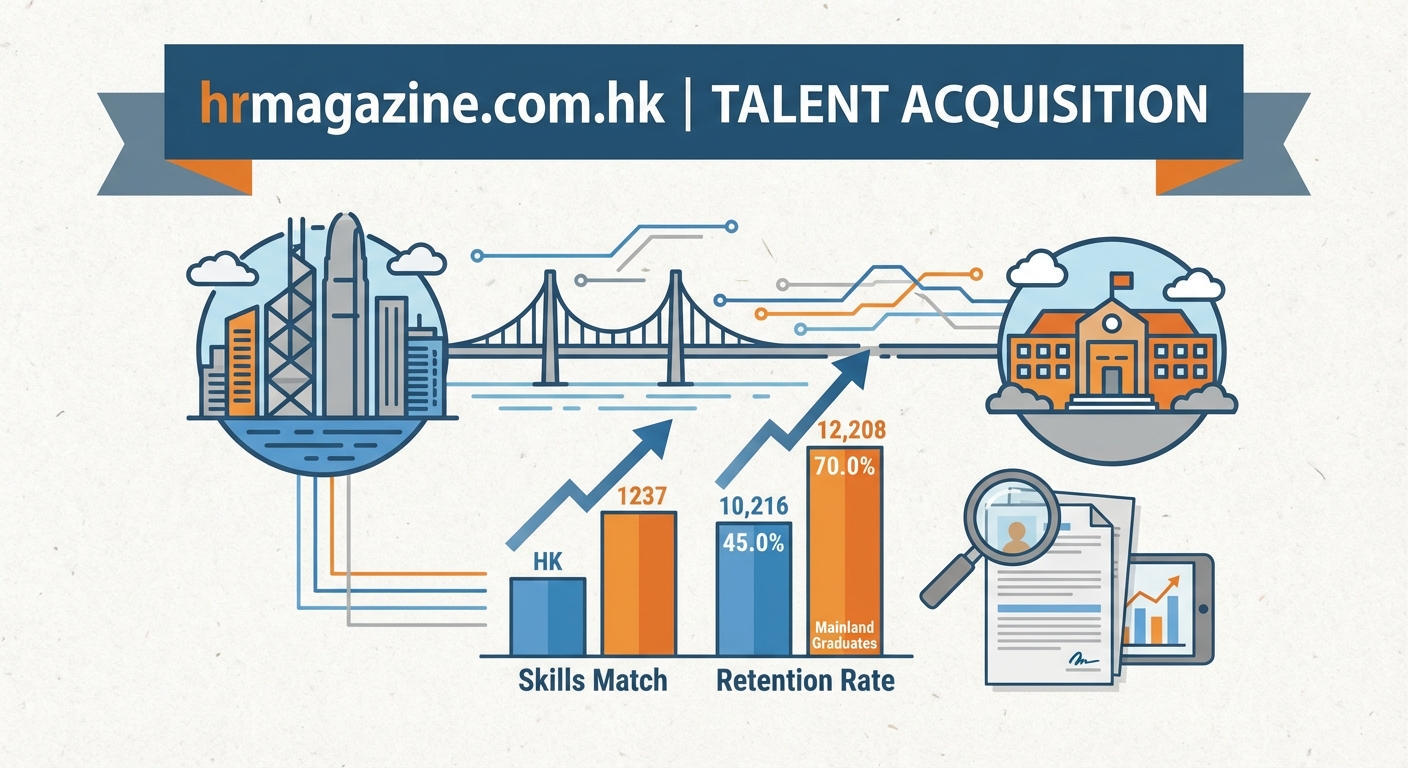
Immigration paperwork determines whether your hire can actually start work. The General Employment Policy is the most common route for mainland graduates without prior Hong Kong work experience. Your company must demonstrate that the role cannot be filled by a local candidate and that the applicant possesses special skills, knowledge, or experience.
Here’s what the Immigration Department scrutinizes:
- Educational qualifications and relevance to the position
- Salary level compared to market rates for similar roles
- Company’s business nature and financial standing
- Whether local recruitment efforts were genuinely attempted
The application process takes four to six weeks if documentation is complete. Incomplete applications can drag on for months. Many HR teams underestimate how much supporting evidence the department requires.
“We’ve seen applications rejected because the salary offered was 15% below market rate, even when the candidate was willing to accept it. The Immigration Department uses this as evidence that the role could be filled locally at proper compensation.” — Immigration consultant with 12 years of Hong Kong experience
The Top Talent Pass Scheme offers an alternative for graduates from top-tier universities. Candidates who graduated from recognized institutions in the past five years can apply independently, then seek employment after arrival. This shifts the visa burden away from employers but requires candidates to have financial resources to support themselves during job hunting.
Salary expectations and compensation benchmarks
Mainland graduates often accept lower starting salaries than local candidates, but underpaying creates retention problems. A fresh graduate from a top mainland university expects between HKD 18,000 and HKD 25,000 monthly for entry-level positions in finance or technology. Local graduates from Hong Kong universities typically command HKD 22,000 to HKD 30,000 for comparable roles.
The gap narrows significantly after two years of experience. By year three, salary expectations converge regardless of origin. Companies that lowball initial offers find themselves replacing these hires once they understand the market.
Here’s a breakdown of typical monthly salaries for mainland graduates by sector:
| Industry | Entry Level | 2-3 Years Experience | 5+ Years Experience |
|---|---|---|---|
| Finance & Banking | HKD 20,000-26,000 | HKD 30,000-45,000 | HKD 55,000-85,000 |
| Technology & IT | HKD 18,000-24,000 | HKD 28,000-42,000 | HKD 50,000-75,000 |
| Professional Services | HKD 19,000-25,000 | HKD 29,000-43,000 | HKD 52,000-78,000 |
| Marketing & Communications | HKD 16,000-22,000 | HKD 24,000-36,000 | HKD 42,000-62,000 |
Beyond base salary, housing allowances matter significantly. Hong Kong’s rental costs shock mainland graduates accustomed to lower living expenses. Companies that offer housing support or relocation assistance see better acceptance rates and lower early turnover.
Medical insurance and annual leave policies also require attention. Mainland graduates expect healthcare coverage that includes dental and vision, plus at least 14 days of annual leave. Matching these expectations to Hong Kong employment norms prevents disappointment.
Cultural integration challenges you’ll actually face
Language isn’t the barrier most HR managers expect. Most mainland graduates have functional English and native Mandarin. The real friction points are workplace communication styles, hierarchy expectations, and social integration.
Hong Kong workplaces tend toward directness in feedback and flatter organizational structures. Mainland graduates often come from more hierarchical educational and corporate environments. They may wait for explicit instructions rather than showing initiative, or interpret direct feedback as harsh criticism.
Team lunches and after-work socializing create unexpected tension. Local staff often speak Cantonese in casual settings, unintentionally excluding Mandarin-speaking colleagues. This isn’t malicious, but it creates in-groups and out-groups that damage team cohesion.
Here’s what works for integration:
-
Assign a local buddy for the first three months. This person answers informal questions about everything from Octopus card top-ups to where to buy groceries.
-
Establish English as the default language in all team settings, not just formal meetings. This requires active management and occasional reminders.
-
Create structured onboarding that explains unwritten rules. Things like when to use WhatsApp versus email, how to decline after-work drinks politely, and what “flexible hours” actually means in your company.
-
Schedule regular check-ins focused specifically on cultural adjustment, separate from performance reviews. Many issues surface only when someone asks directly.
Some companies run monthly integration sessions where both local and mainland staff discuss cultural differences openly. These work best when facilitated by someone outside the immediate team who can keep conversations productive rather than defensive.
Common hiring mistakes and how to avoid them
The biggest error is treating mainland graduates as interchangeable with local candidates. They face housing challenges, visa uncertainties, and social isolation that local hires don’t experience. Ignoring these factors leads to turnover within 18 months, wasting your recruitment investment.
Another mistake is over-relying on mainland graduates for Mandarin-language tasks. Yes, they’re fluent, but pigeonholing them as “the Mandarin person” limits their development and breeds resentment. Distribute language-specific work fairly across all capable team members.
Many HR teams also underestimate the administrative burden. Visa renewals, dependent visas for spouses, and ongoing immigration compliance require dedicated attention. Small companies without in-house immigration expertise should budget for external support.
Here are red flags that indicate your hiring process needs adjustment:
- Multiple mainland hires leaving within the first year
- Consistent feedback about feeling excluded from team activities
- Visa applications getting rejected due to salary or documentation issues
- Local staff complaining about communication difficulties
- Mainland hires clustered in specific departments rather than distributed across teams
Building a sustainable hiring strategy
Successful companies treat hiring mainland China graduates as part of a broader talent strategy, not a quick fix for immediate vacancies. This means developing relationships with mainland universities, creating structured graduate programs, and investing in long-term development.
Campus recruitment at top mainland universities yields better candidates than reactive hiring through job boards. Universities like Tsinghua, Peking University, Fudan, and Shanghai Jiao Tong produce graduates who meet Hong Kong Immigration Department standards and possess the academic credentials your company needs.
Building these relationships takes time. Start by attending career fairs, offering internships, and creating alumni networks of mainland graduates already working in your organization. These alumni become your best recruiters, providing authentic insights that job descriptions can’t convey.
Structured graduate programs work better than ad-hoc hiring. A formal program with defined progression, mentorship, and training creates clear expectations. It also signals to the Immigration Department that you’re making genuine investments in talent development, strengthening future visa applications.
Consider creating cohorts that mix local and mainland graduates. This prevents the formation of separate groups and encourages cross-cultural learning from day one. Cohort-based programs also allow you to standardize onboarding and training, reducing per-hire costs.
Retention tactics that actually work
Keeping mainland graduates beyond the initial contract period requires addressing their specific concerns. Career progression matters more than marginal salary increases. These candidates want clear paths to senior roles and evidence that mainland hires have succeeded in your organization before them.
Sponsoring professional certifications demonstrates commitment. CFA, ACCA, or industry-specific qualifications show you’re investing in their long-term development. Many mainland graduates view Hong Kong as a platform for building international credentials, so supporting this goal aligns your interests with theirs.
Visa stability is a constant background concern. Helping employees transition from employment visas to permanent residency after seven years removes significant anxiety. Companies that proactively guide this process and cover associated costs see measurably better retention.
Creating mainland graduate networks within your organization provides peer support. Monthly gatherings, mentorship circles, or informal chat groups let people share experiences and solutions. This reduces the isolation that drives early departures.
Some companies offer Cantonese language classes as a benefit. While not essential for job performance, learning Cantonese signals commitment to Hong Kong and facilitates social integration. Employees who invest in learning the local language typically stay longer.
Making the decision for your organization
Not every company should prioritize hiring mainland China graduates. Small teams without bandwidth for immigration administration or cultural integration support may find the effort outweighs the benefits. Organizations with limited Mandarin-language business needs might not fully utilize these candidates’ strengths.
But for companies operating across the Greater Bay Area, expanding into mainland markets, or facing genuine local talent shortages, mainland graduates represent a strategic advantage. They bring skills, drive, and cultural knowledge that complement local teams.
The key is approaching this deliberately. Build the infrastructure first: immigration support, integration programs, and clear career pathways. Then recruit selectively, focusing on candidates whose skills and ambitions align with your actual needs.
Track outcomes rigorously. Monitor retention rates, performance metrics, and integration success. Adjust your approach based on data, not assumptions. What works for a multinational bank won’t necessarily work for a 50-person technology startup.
Your next steps in talent acquisition
Hiring mainland China graduates in Hong Kong isn’t complicated, but it does require intentionality. Start by auditing your current capabilities. Do you have immigration expertise in-house or access to reliable external support? Can your team managers handle cultural integration challenges? Does your compensation structure accommodate different candidate backgrounds fairly?
Then pilot with one or two hires before scaling up. Learn what works in your specific context. Build relationships with universities gradually. Develop your onboarding process iteratively based on feedback from early hires.
The talent landscape will keep shifting. Companies that develop robust processes for hiring and integrating mainland graduates now will have significant advantages as cross-border mobility continues increasing. Those that wait until they’re desperate for talent will struggle with the learning curve while competitors move ahead.