
How Hong Kong Companies Can Build a Leadership Pipeline That Actually Works
Most Hong Kong companies know they need better succession planning. They watch senior leaders retire without ready replacements. They scramble when key executives leave for competitors. They hire expensive external candidates instead of developing internal talent.
The problem isn’t awareness. It’s execution.
Building a functional leadership pipeline in Hong Kong requires more than annual talent reviews and generic management training. It demands systematic identification, targeted development, and honest assessment of who’s actually ready to lead.
Creating a leadership pipeline Hong Kong companies can rely on means identifying high-potential employees early, designing role-specific development plans, measuring readiness objectively, and maintaining internal mobility. Success requires data-driven assessment, structured experiences, and executive commitment to developing talent from within rather than defaulting to external hires when senior positions open.
Why most Hong Kong companies fail at succession planning
Walk into any boardroom in Central and ask about the succession plan. You’ll hear confident answers about talent programs and leadership development.
Then ask who’s ready to step into the CFO role tomorrow if needed.
The silence tells you everything.
Hong Kong organizations often confuse having high performers with having ready leaders. They mistake tenure for capability. They assume strong individual contributors will naturally become effective people managers.
They won’t.
The city’s competitive talent market makes this worse. Companies poach proven leaders instead of growing them. HR teams spend more time recruiting externally than developing internally. The cycle continues.
Three structural problems create this gap:
- Organizations promote based on technical skills rather than leadership potential
- Development programs focus on generic competencies instead of role-specific transitions
- Assessment processes rely on subjective opinions rather than objective readiness criteria
The cost shows up in failed promotions, extended vacancies, and institutional knowledge walking out the door.
The six stages every leadership pipeline needs
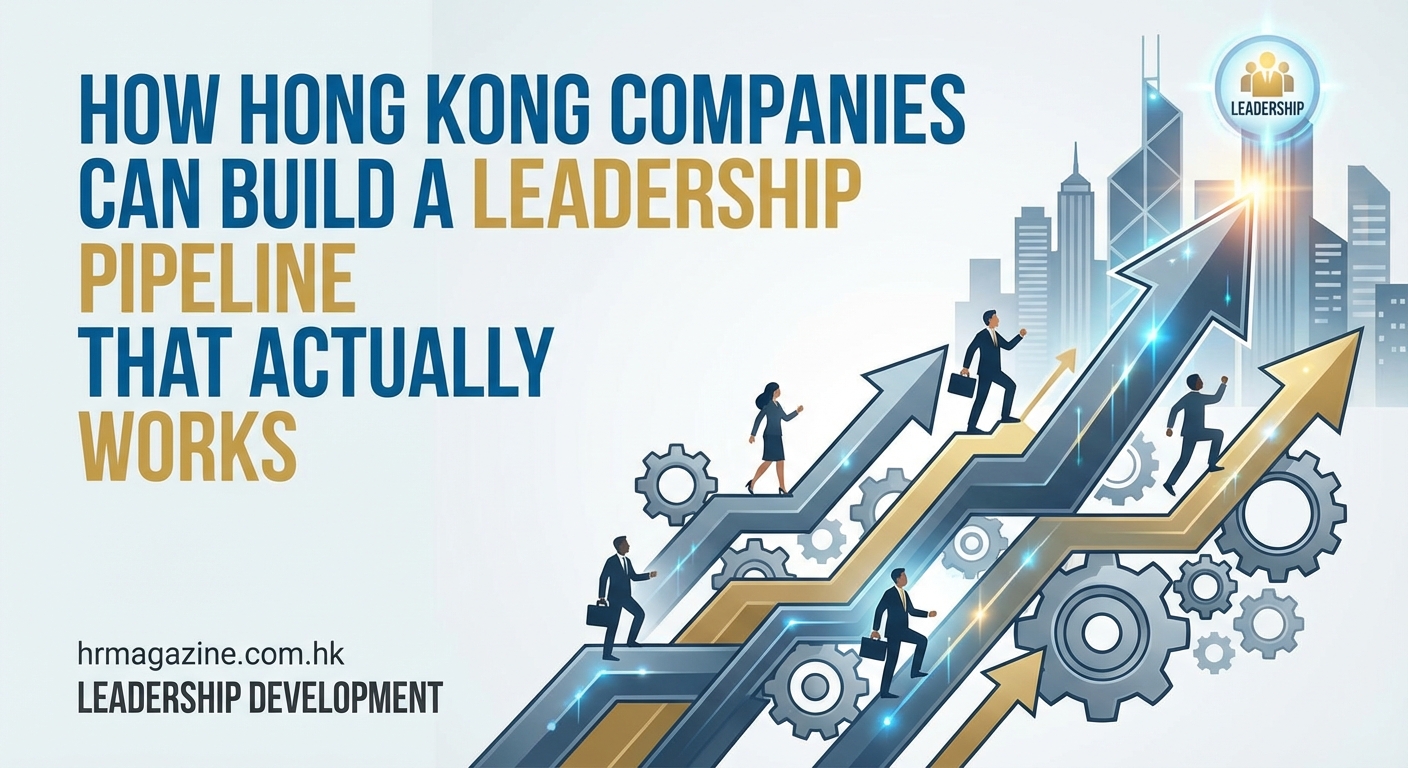
A functional pipeline maps the journey from individual contributor to executive. Each transition requires different skills, behaviors, and mindsets.
Ram Charan’s research identified six critical passages. Hong Kong companies need to adapt these for local context:
- Individual contributor to team leader – Learning to achieve results through others instead of personal execution
- Team leader to functional manager – Managing multiple teams and balancing competing priorities
- Functional manager to business unit leader – Thinking across functions and driving integrated strategies
- Business unit leader to group executive – Managing through other business leaders and setting enterprise direction
- Group executive to enterprise leader – Shaping culture, allocating resources across the portfolio, and representing the organization externally
- Enterprise leader to board member – Governing rather than managing, providing oversight instead of direction
Most development programs ignore these distinctions. They offer the same leadership training to everyone from new supervisors to senior vice presidents.
That’s like using one textbook for primary school through university.
Each transition demands specific preparation. A brilliant team leader might struggle as a functional manager if they can’t let go of tactical work. A successful business unit head might fail at enterprise level if they can’t think beyond their division.
Your pipeline needs to prepare people for the next transition, not just make them better at their current role.
How to identify leadership potential before you need it
Waiting until you have a vacancy to assess candidates means you’re already behind. Effective pipelines identify potential years before promotion.
The challenge is separating performance from potential. Hong Kong companies often promote their best performers into leadership roles, then wonder why results suffer.
High performance in a current role doesn’t predict leadership success. You need different indicators.
The best predictor of leadership potential isn’t past performance. It’s demonstrated ability to learn, adapt, and influence others in increasingly complex situations.
Look for these signals when assessing potential:
- Learning agility – How quickly someone masters new skills and applies them in unfamiliar situations
- Strategic thinking – Ability to see patterns, anticipate consequences, and connect tactical work to broader objectives
- Influence without authority – Track record of getting results through collaboration rather than position power
- Self-awareness – Understanding personal strengths, limitations, and impact on others
- Resilience – Response to setbacks, criticism, and high-pressure situations
Assessment should combine multiple data sources. Manager nominations alone create bias. Self-nominations miss people who don’t see themselves as leaders yet.
Use structured approaches:
| Assessment Method | What It Reveals | When to Use |
|---|---|---|
| 360-degree feedback | How others experience the person’s leadership behaviors | Annual cycle for potential leaders |
| Behavioral interviews | Past examples of leadership in action | During pipeline entry assessment |
| Psychometric assessments | Cognitive ability, personality traits, motivational drivers | Initial screening of potential |
| Simulation exercises | Performance under realistic leadership challenges | Before major promotions |
| Project assignments | Ability to deliver results in stretch roles | Ongoing development phase |
The goal isn’t perfection. It’s informed judgment about who has the capacity to grow into bigger roles.
Building development plans that actually prepare people
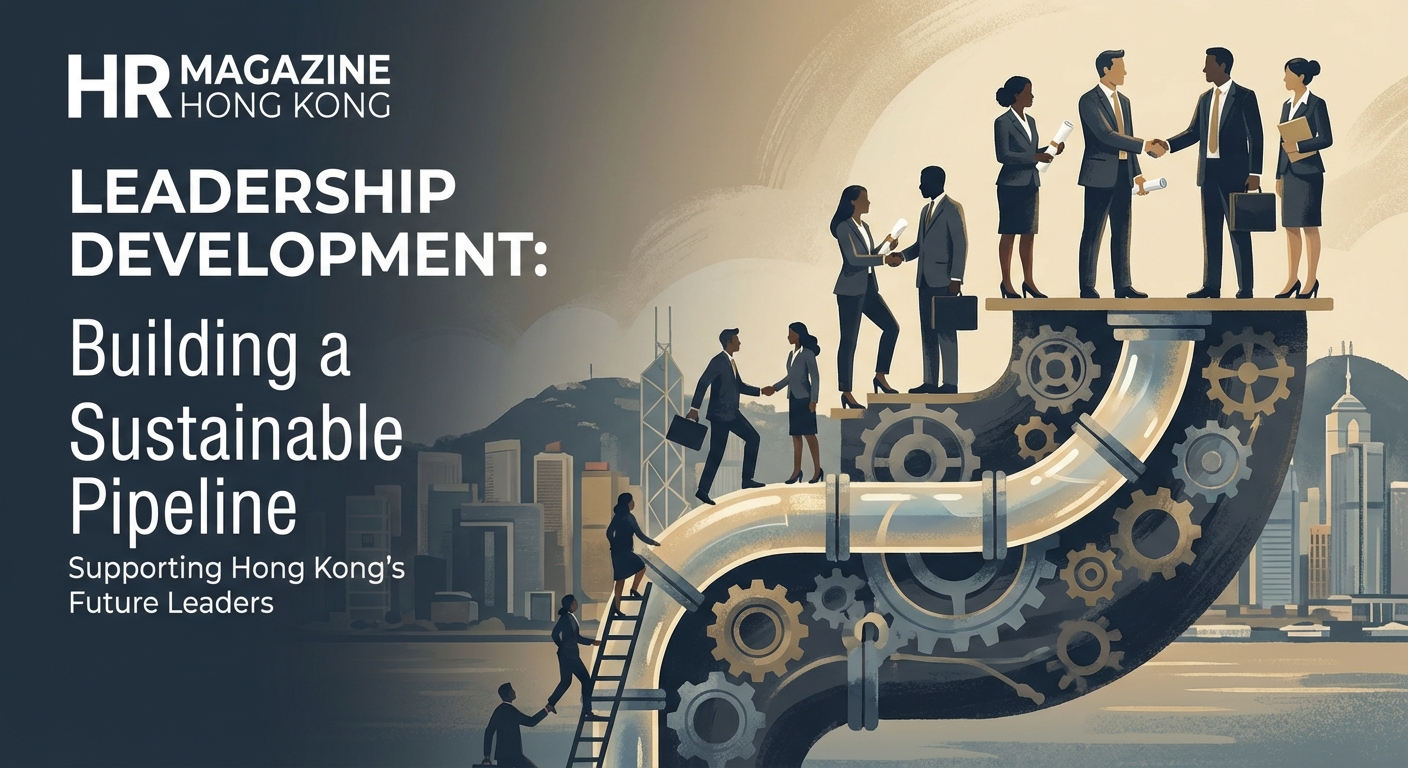
Once you’ve identified potential, development begins. This is where most programs fall apart.
Generic leadership training doesn’t work. Sending someone to a three-day program on “strategic leadership” won’t prepare them to run a business unit.
Development must be role-specific and experience-based. The best learning happens through challenging assignments, not classroom sessions.
Structure development around these components:
- Stretch assignments – Projects that push beyond current capabilities without setting someone up to fail
- Mentoring relationships – Access to leaders who’ve navigated similar transitions successfully
- Structured feedback – Regular input on specific behaviors and decisions, not annual performance reviews
- Targeted learning – Skills training aligned to upcoming role requirements, delivered when needed
- Reflection practices – Time to process experiences and extract lessons
A manager preparing to become a business unit leader needs different experiences than someone moving from individual contributor to team leader.
For the future business unit leader:
- Lead a cross-functional initiative requiring influence across departments
- Participate in budget planning and resource allocation decisions
- Present strategic recommendations to senior executives
- Manage a team through organizational change
- Take ownership of P&L for a product line or market segment
For the new team leader:
- Shadow an experienced manager for a month
- Lead a small project team with clear deliverables
- Conduct performance conversations with coaching support
- Handle a difficult team situation with HR guidance
- Present team results to department leadership
Notice the difference. One focuses on enterprise thinking and cross-functional influence. The other builds foundational people management skills.
Development speed matters in Hong Kong’s market. If your pipeline takes five years to prepare someone for a senior role, competitors will hire them away in three.
Accelerate development through intensity, not shortcuts. Give high-potential employees multiple challenging experiences in compressed timeframes. Provide support so they learn from mistakes without derailing.
Measuring readiness instead of guessing
The moment a key position opens, you need to know who’s ready now, who needs six more months, and who needs another year.
Most companies guess. They debate in conference rooms. They compromise on candidates. They promote someone “not quite ready” because there’s no better option.
Build objective readiness criteria instead.
For each critical role, define what “ready” means:
- Knowledge requirements – What someone needs to know about the business, market, function, or industry
- Skill requirements – Capabilities they must demonstrate, from financial analysis to change management
- Behavioral requirements – How they need to show up, from executive presence to decision-making under uncertainty
- Relationship requirements – Networks and stakeholder connections necessary for success
Then assess each pipeline candidate against these criteria. Use a simple scale:
- Ready now – Can step into the role tomorrow with high probability of success
- Ready with support – Can succeed with targeted coaching and closer oversight initially
- Needs development – Has potential but requires specific experiences before promotion
- Not ready – Significant gaps that won’t close in reasonable timeframe
This creates honest conversations. No more “we think she’s ready” based on wishful thinking. You’re looking at evidence.
Track readiness over time. Someone rated “needs development” this quarter might be “ready with support” after leading a major project. Regular updates keep the pipeline current.
When a position opens, you know exactly who can fill it. When someone leaves unexpectedly, you have options instead of panic.
The internal mobility problem nobody talks about
Here’s an uncomfortable truth about leadership pipelines in Hong Kong. They often fail because managers hoard talent.
A department head identifies a high-potential employee. Invests in development. Then blocks that person from moving to another division because losing them would hurt team performance.
The employee gets frustrated. Leaves the company. The pipeline breaks.
Internal mobility must be non-negotiable. Organizations need policies that prioritize enterprise needs over departmental preferences.
Consider these approaches:
- Mandatory posting periods – High-potential employees must be made available for internal opportunities after a defined tenure
- Manager incentives – Tie leadership bonuses to successful development and placement of talent across the organization
- Transparent processes – Post internal opportunities visibly and allow qualified pipeline members to apply
- Rotation programs – Build cross-functional moves into development plans from the start
- Executive oversight – Senior leaders review and approve all decisions to block internal transfers
Some Hong Kong companies worry this creates disruption. Teams lose contributors. Projects get delayed. Knowledge transfers take time.
True. But the alternative is worse.
Without mobility, your pipeline becomes a collection of people stuck in departments. They stop developing. They disengage. They leave for external opportunities that offer growth.
The companies with the strongest pipelines treat internal talent movement as strategic advantage, not operational inconvenience. They build redundancy so teams can absorb departures. They celebrate managers who develop people for bigger roles elsewhere.
They understand that why Hong Kong employees are quiet quitting and what HR can do about it often connects directly to blocked career paths and limited internal opportunities.
Common mistakes that derail leadership pipelines
Even well-designed pipelines fail when organizations make predictable errors. Watch for these:
Confusing the pipeline with a list
A spreadsheet of high-potential employees isn’t a pipeline. It’s a starting point. The pipeline is the system that develops those people, tracks their readiness, and moves them into leadership roles.
Letting the pipeline go stale
People change. Business needs change. A pipeline built three years ago reflects outdated assumptions. Review and update quarterly, not annually.
Overemphasizing potential, underweighting readiness
Someone with high potential but low current readiness can’t fill an urgent vacancy. You need both ready-now candidates and future potential in your pipeline.
Ignoring diversity
Pipelines that only develop people who look like current leaders perpetuate homogeneity. Actively identify and develop diverse talent. Your future leadership team should reflect Hong Kong’s multicultural workforce.
Failing to communicate
Pipeline members should know they’re being developed for bigger roles. Keeping it secret doesn’t protect anyone. It prevents honest career conversations and reduces commitment.
Treating development as HR’s job
HR can facilitate. Only line leaders can develop other leaders. If executives aren’t spending time mentoring pipeline members, the program will fail.
Promoting before readiness
Pressure to fill a vacancy leads to premature promotions. The person struggles. The team suffers. The individual’s career stalls. Wait for readiness or hire externally rather than set someone up to fail.
Neglecting the bottom of the pipeline
Most attention goes to senior-level succession. But if you’re not developing team leaders and functional managers, you’ll have no one ready for business unit roles in five years. The pipeline must flow from bottom to top.
Making your pipeline work in Hong Kong’s talent market
Hong Kong’s employment dynamics create specific challenges for leadership development. High turnover, aggressive poaching, and preference for external hires all work against internal pipelines.
You need strategies that account for local realities.
Move faster than traditional timelines
Western models often assume five to seven years to develop senior leaders. Hong Kong’s market won’t wait that long. Compress development through intensive experiences, frequent feedback, and calculated risks on promotions.
Compete on development, not just compensation
Top talent in Hong Kong receives multiple offers. Salary alone won’t retain them. A clear path to leadership roles, visible investment in development, and exposure to senior executives create differentiation.
Companies that successfully build pipelines in Hong Kong make development a competitive advantage. They talk about it in recruitment. They showcase promoted leaders. They build reputation as places that grow careers.
This connects to broader talent strategies. Organizations struggling with why Hong Kong startups are losing the war for tech talent and how to fight back often lack credible development programs that demonstrate commitment to employee growth.
Balance internal development with external hiring
A pipeline doesn’t mean never hiring externally. New blood brings fresh perspectives, different experiences, and capabilities you can’t develop internally.
The right balance varies by organization. A good target is 60-70% internal promotion for senior roles. This maintains institutional knowledge while allowing selective external hiring for specific needs.
Address the readiness gap honestly
Sometimes your pipeline doesn’t have anyone ready for a critical role. Don’t force a promotion. Hire externally for now while accelerating development of internal candidates for next time.
Honesty about gaps builds credibility. Pretending you have ready successors when you don’t leads to failed promotions and damaged careers.
Connect pipeline development to business strategy
Your leadership needs change as business strategy evolves. Expanding into mainland China requires different capabilities than focusing on Hong Kong market. Digital transformation demands different skills than traditional operations.
Review pipeline development against strategic direction. Are you preparing leaders for the business you’ll be running in three years, or the one you ran three years ago?
Getting executive commitment that lasts
Leadership pipelines die without sustained executive sponsorship. Not the “yes, this is important” kind of support. The kind where CEOs and board members review pipeline status quarterly, hold leaders accountable for development, and make succession planning a strategic priority.
Securing this commitment requires demonstrating business impact. Show executives what poor succession planning costs:
- Extended vacancies in senior roles while searching externally
- Premium compensation for external hires versus internal promotions
- Failed external hires who don’t fit culture or meet expectations
- Lost productivity when inexperienced leaders take over critical functions
- Departures of high-potential employees who see no path forward
Then show what good pipelines deliver:
- Faster time to fill critical roles with qualified internal candidates
- Higher success rates for promoted leaders who know the organization
- Improved retention of high-potential employees who see career opportunities
- Reduced recruitment costs from internal versus external hiring
- Stronger organizational culture through leadership continuity
Make pipeline review a standing agenda item in executive meetings. Not a quick update. A substantive discussion of readiness, development progress, and emerging gaps.
Hold leaders accountable. Include talent development in performance objectives. Reward managers who successfully prepare people for bigger roles. Address leaders who hoard talent or fail to develop their teams.
The most successful pipelines in Hong Kong have CEO-level ownership. The chief executive knows every person in the senior leadership pipeline. Reviews their progress personally. Intervenes when development stalls.
That level of attention signals priority. It ensures resources. It drives results.
Building your pipeline starting tomorrow
You don’t need a perfect system to start. You need to begin identifying potential, creating development experiences, and tracking readiness.
Start with these actions:
- Map your critical roles – Identify the 10-15 positions that would create serious problems if they became vacant tomorrow
- Assess current readiness – For each critical role, honestly evaluate whether you have someone ready to step in
- Identify high-potential employees – Use the criteria discussed earlier to spot people with capacity for bigger roles
- Create initial development plans – For each pipeline member, outline three specific experiences they need in the next 12 months
- Establish review cadence – Schedule quarterly pipeline reviews with executive team
- Start measuring – Track time to fill senior roles, internal versus external hiring rates, and retention of high-potential employees
The goal isn’t building a complete pipeline in six months. It’s creating momentum, learning what works in your organization, and improving continuously.
Companies with mature pipelines didn’t start with sophisticated systems. They started with basic identification and development, then refined their approach based on results.
Your organization can do the same. The talent you need for future leadership roles is probably already working for you. The question is whether you’re preparing them for those roles or hoping they’ll figure it out on their own.
Why this matters more than most HR initiatives
Leadership pipelines don’t generate immediate returns. They require sustained investment over years. Results appear slowly.
That’s exactly why most organizations never build them properly.
But the companies that commit to systematic leadership development create compounding advantages. They fill senior roles faster. They retain top talent longer. They build institutional knowledge that competitors can’t replicate.
In Hong Kong’s hypercompetitive market, that’s the difference between organizations that thrive through transitions and those that stumble every time a key leader departs.
Your pipeline is either developing the leaders you’ll need in three years, or you’ll be scrambling to find them when the time comes. There’s no middle ground.
Start building today. Your future organization will thank you.