
5 Executive Coaching Mistakes That Derail Leadership Development in Greater China
Executive coaching has become a multi-million dollar investment for corporations across Greater China. Yet many programs fail to deliver meaningful results. Leaders emerge from months of coaching sessions unchanged, HR budgets drain without visible impact, and organizations wonder why their carefully selected coaches couldn’t move the needle. The problem isn’t coaching itself. It’s how companies approach it.
Executive coaching mistakes in Greater China often stem from misaligned expectations, cultural blind spots, and treating coaching as a quick fix rather than a strategic development tool. Success requires clear objectives, cultural awareness, proper coach selection, measurable outcomes, and integration with broader talent strategies. Organizations that address these five critical errors see dramatically better returns on their coaching investments and stronger leadership pipelines.
Treating coaching as a performance improvement plan in disguise
Too many organizations use executive coaching as a polite way to address poor performance. HR sends struggling leaders to coaches with the unspoken message that this is their last chance. The coach becomes a remedial tutor instead of a development partner.
This approach poisons the well from day one.
Leaders know when they’re being managed out. They show up to sessions defensive, guarded, and focused on survival rather than growth. The coaching relationship never builds the trust needed for real transformation.
Effective coaching works best with high performers who want to level up. Think of it as advanced training for athletes already competing at elite levels, not rehabilitation for injured players.
When you position coaching this way, leaders engage differently. They bring ambition instead of anxiety. They share vulnerabilities because they’re not afraid those admissions will end up in their performance file.
“The most successful coaching engagements I’ve seen in Hong Kong start with leaders who are already succeeding but want to expand their impact. They’re curious, not cornered.” – Senior Leadership Development Director, Fortune 500 Technology Company
If you need to address performance issues, address them directly through your performance management process. Don’t muddy the waters by calling it coaching.
Ignoring cultural context in Greater China markets
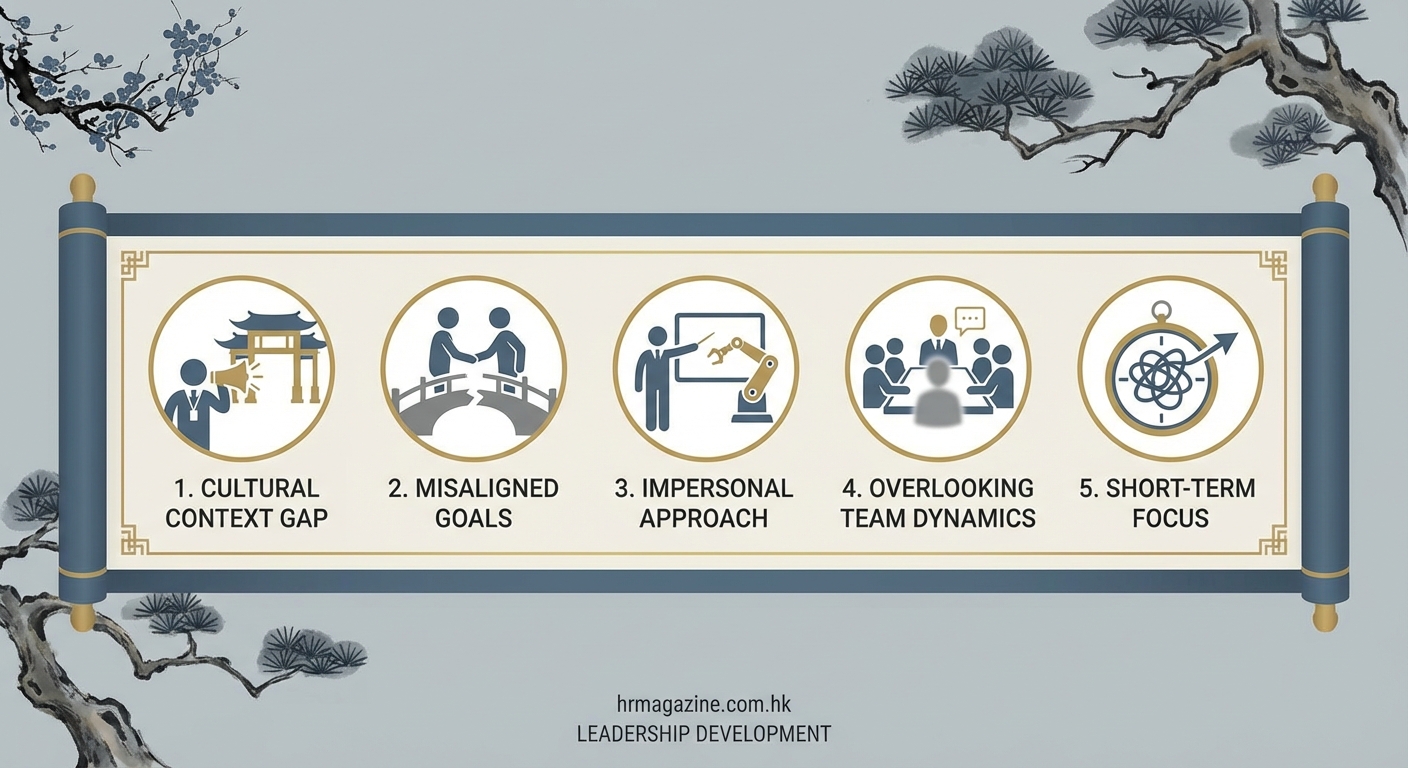
Western coaching methodologies don’t always translate cleanly to Greater China business environments. Coaches trained in Silicon Valley or London often miss crucial cultural nuances that shape how leaders think, communicate, and make decisions.
Face-saving dynamics matter enormously in this region. Direct confrontation that might work in New York can backfire spectacularly in Hong Kong or Shanghai. Hierarchical respect runs deeper than many Western coaches anticipate.
Family obligations influence career decisions in ways that surprise coaches unfamiliar with local contexts. A leader might turn down a promotion not because they lack ambition, but because elderly parents need care and cultural expectations make that non-negotiable.
Communication styles differ too. Many Greater China leaders prefer indirect feedback and subtle guidance over the blunt, action-oriented approaches favored in Western coaching models.
Consider these cultural factors when selecting and briefing coaches:
- Understanding of Confucian values and their influence on workplace relationships
- Experience navigating face-saving dynamics in professional settings
- Familiarity with Greater China business practices and decision-making norms
- Ability to work effectively across Cantonese, Mandarin, and English contexts
- Recognition of how family structures impact career choices and leadership styles
- Awareness of generational differences between mainland and Hong Kong professionals
The best coaches don’t just acknowledge these differences. They actively integrate cultural intelligence into their methodology. They adapt their approach based on the individual leader’s background, industry, and organizational culture.
A coach who worked successfully with executives in London might struggle with leaders in Hong Kong without this cultural fluency. Don’t assume a prestigious credential automatically transfers across markets.
Skipping the goal-setting and measurement framework
Many coaching programs launch without clear success metrics. Organizations invest six months and significant budget, then struggle to articulate what changed or whether it was worth the cost.
This vagueness serves nobody well.
Leaders need concrete goals to focus their development efforts. Coaches need measurable outcomes to guide their methodology. HR needs data to justify continued investment and refine their approach. Without this structure, coaching becomes an expensive conversation series with unclear value.
Effective coaching programs establish specific, measurable objectives before the first session. These might include:
- Identify three specific leadership behaviors to develop (with observable indicators of progress)
- Define the business outcomes these behaviors should influence (team retention, decision speed, stakeholder alignment)
- Establish baseline measurements through 360-degree feedback, team surveys, or performance metrics
- Set checkpoints at 30, 60, and 90 days to assess progress and adjust approach
- Determine final success criteria that both the leader and organization agree constitute meaningful development
- Create accountability mechanisms that keep the coaching work connected to real business challenges
Here’s how different measurement approaches compare:
| Measurement Type | Strengths | Limitations | Best Used When |
|---|---|---|---|
| 360-degree feedback | Captures multiple perspectives, shows perception shifts | Can be subjective, influenced by relationships | Coaching focuses on interpersonal effectiveness or leadership presence |
| Business metrics | Objective, ties to outcomes, easy to track | Many variables beyond leader’s control, lagging indicators | Leader has clear ownership of specific results |
| Behavioral observation | Concrete, observable, action-oriented | Requires consistent observation, time-intensive | Developing specific skills like presentation or delegation |
| Self-assessment | Tracks internal shifts, encourages reflection | Potentially biased, hard to verify | Combined with other methods, not standalone |
| Team surveys | Shows impact on direct reports, actionable | Small sample size, relationship dynamics affect honesty | Leader manages a stable team throughout coaching period |
The measurement framework should match the coaching objectives. If you’re developing strategic thinking skills, you need different metrics than if you’re improving conflict resolution abilities.
Document these goals clearly. Share them with the leader, coach, and relevant HR stakeholders. Review them regularly and adjust as the coaching relationship reveals new priorities or opportunities.
This structure transforms coaching from a nebulous development activity into a strategic intervention with trackable ROI. It also helps identify when coaching isn’t working early enough to course-correct.
Selecting coaches based on credentials instead of fit
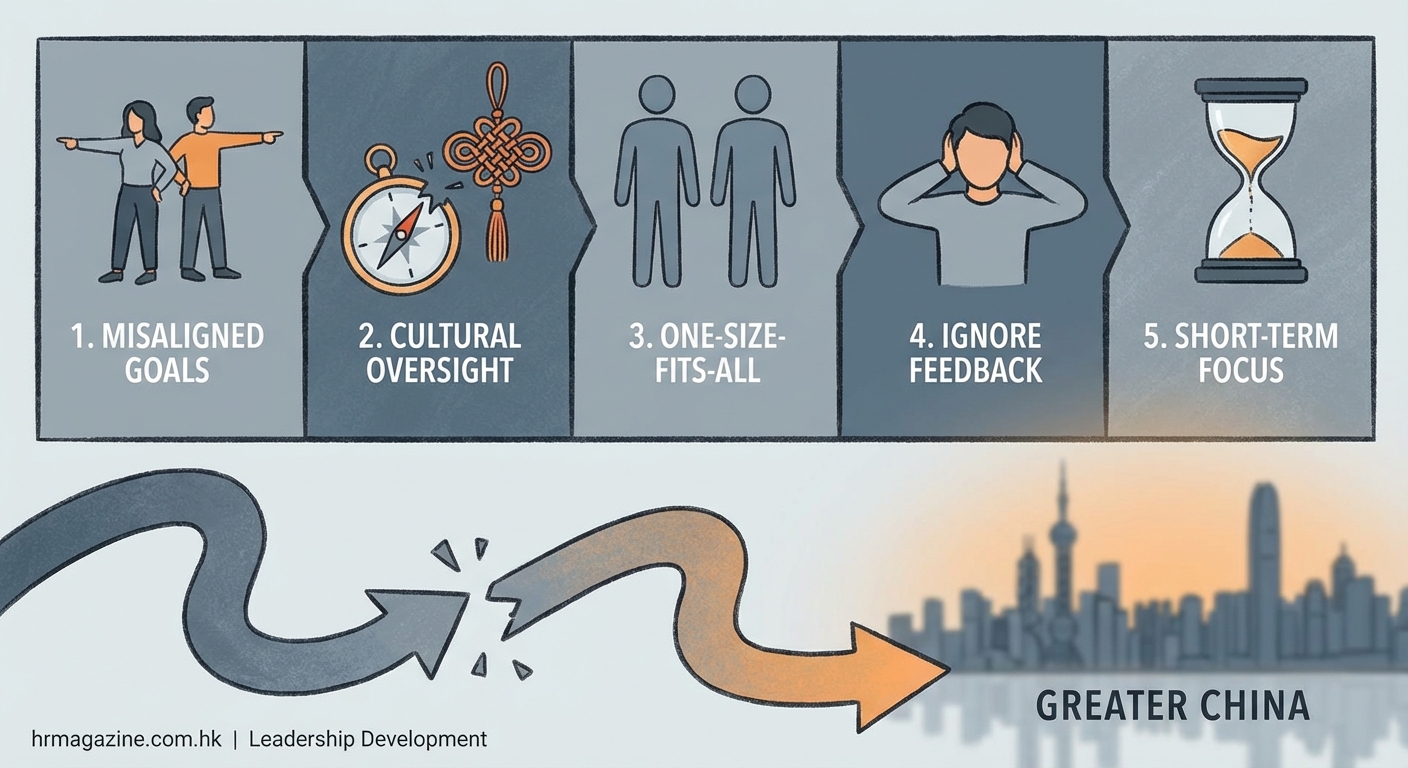
Impressive credentials don’t guarantee coaching effectiveness. The coach with the fanciest certification and longest client list might be completely wrong for your specific leader and organizational context.
Yet many HR teams default to credential shopping. They filter for ICF certification levels, check LinkedIn endorsements, and count years of experience. These factors matter, but they’re not sufficient.
The relationship between coach and leader determines success more than any methodology or framework. If the chemistry isn’t there, even the most skilled coach will struggle to create breakthroughs.
Think about the coaches who’ve influenced your own development. Chances are, the connection mattered as much as their expertise. They understood you. They challenged you in ways that landed. They created safety for you to be honest about your struggles.
That’s what you need to facilitate for your leaders.
Smart organizations create a shortlist based on credentials, then focus heavily on fit. They arrange chemistry sessions where leaders meet potential coaches before committing. They ask leaders to trust their instincts about who they’d be willing to be vulnerable with.
They also consider matching factors beyond personality:
- Industry experience (a coach who understands financial services dynamics versus technology startups)
- Career stage alignment (coaches who’ve worked with first-time executives versus seasoned C-suite leaders)
- Development focus (coaches who specialize in strategic thinking versus relationship building)
- Communication style preferences (direct and challenging versus supportive and exploratory)
- Language capabilities and cultural background relevant to the leader’s context
Some organizations maintain a roster of pre-vetted coaches with different specialties and styles. When a coaching need arises, they can match based on the specific situation rather than starting from scratch each time.
This approach also helps with the common challenge of coaching senior executives. A coach who works brilliantly with mid-level managers might lack the gravitas or business acumen to earn respect from a CFO or regional president. Why Hong Kong employees are quiet quitting and what HR can do about it often connects to leadership gaps that require experienced, credible coaches.
Don’t skip the chemistry check. The wrong coach-leader pairing wastes everyone’s time and money, regardless of how impressive the resume looks.
Isolating coaching from broader talent strategy
Coaching works best when it connects to a larger leadership development ecosystem. Too often, it exists as a standalone intervention disconnected from succession planning, performance management, and organizational strategy.
A leader spends six months in coaching working on delegation skills. Meanwhile, the organization’s culture rewards heroic individual contribution and punishes mistakes made by team members. The coaching insights hit a wall of systemic resistance.
Or consider the executive being coached on inclusive leadership while the company’s promotion process remains opaque and biased. The individual development can’t overcome structural barriers.
Effective coaching integrates with multiple talent systems:
- Succession planning: Coaching addresses specific gaps that prepare high-potential leaders for next-level roles
- Performance management: Coaching goals align with performance objectives and career development plans
- Organizational strategy: Leadership competencies being coached match the capabilities needed for future business direction
- Team development: Insights from individual coaching inform team interventions and cultural initiatives
- Recruitment and selection: Coaching reveals capability gaps that influence hiring priorities and criteria
This integration requires coordination that many HR teams struggle to maintain. Coaching programs often sit in learning and development, while succession planning lives in talent management, and performance reviews belong to HR business partners. The silos prevent the strategic alignment that multiplies coaching impact.
Create regular touchpoints between these functions. When launching a coaching engagement, ask how it supports the leader’s succession readiness, addresses performance feedback themes, and builds capabilities the organization needs for its strategic direction.
Also consider how coaching insights should (and shouldn’t) flow back to the organization. Leaders need confidentiality to engage honestly with coaches. But some themes that emerge in coaching might reveal systemic issues worth addressing.
Establish clear boundaries. Personal development work stays confidential. Organizational patterns that surface across multiple coaching engagements might warrant attention. A coach working with three different leaders who all struggle with the same unclear decision rights issue has identified a structural problem, not just individual development needs.
The relationship between talent development investments and business outcomes becomes clearer when coaching connects to broader strategy. Should your organization invest in employee experience platforms in 2024 explores similar questions about strategic HR technology investments.
Making coaching work in your organization
Executive coaching mistakes don’t just waste budget. They erode trust in development programs, frustrate talented leaders, and leave real capability gaps unaddressed.
The five mistakes outlined here share a common thread. They all treat coaching as a transaction rather than a strategic development tool. They focus on checking boxes (hired a coach, completed sessions, filed reports) instead of creating conditions for genuine transformation.
Getting coaching right requires more upfront work. You need to clarify objectives, understand cultural context, invest time in matching, build measurement frameworks, and integrate with broader talent systems. That’s harder than just hiring a coach and hoping for the best.
But the payoff justifies the effort. Leaders who experience well-designed coaching develop faster, stay longer, and multiply their impact across the organization. They become advocates for development who create coaching cultures in their own teams.
The mistakes are common, but they’re also fixable. Start with your next coaching engagement. Apply even one or two of these principles and watch what changes. Then build from there.
Your leadership pipeline depends on getting this right.