
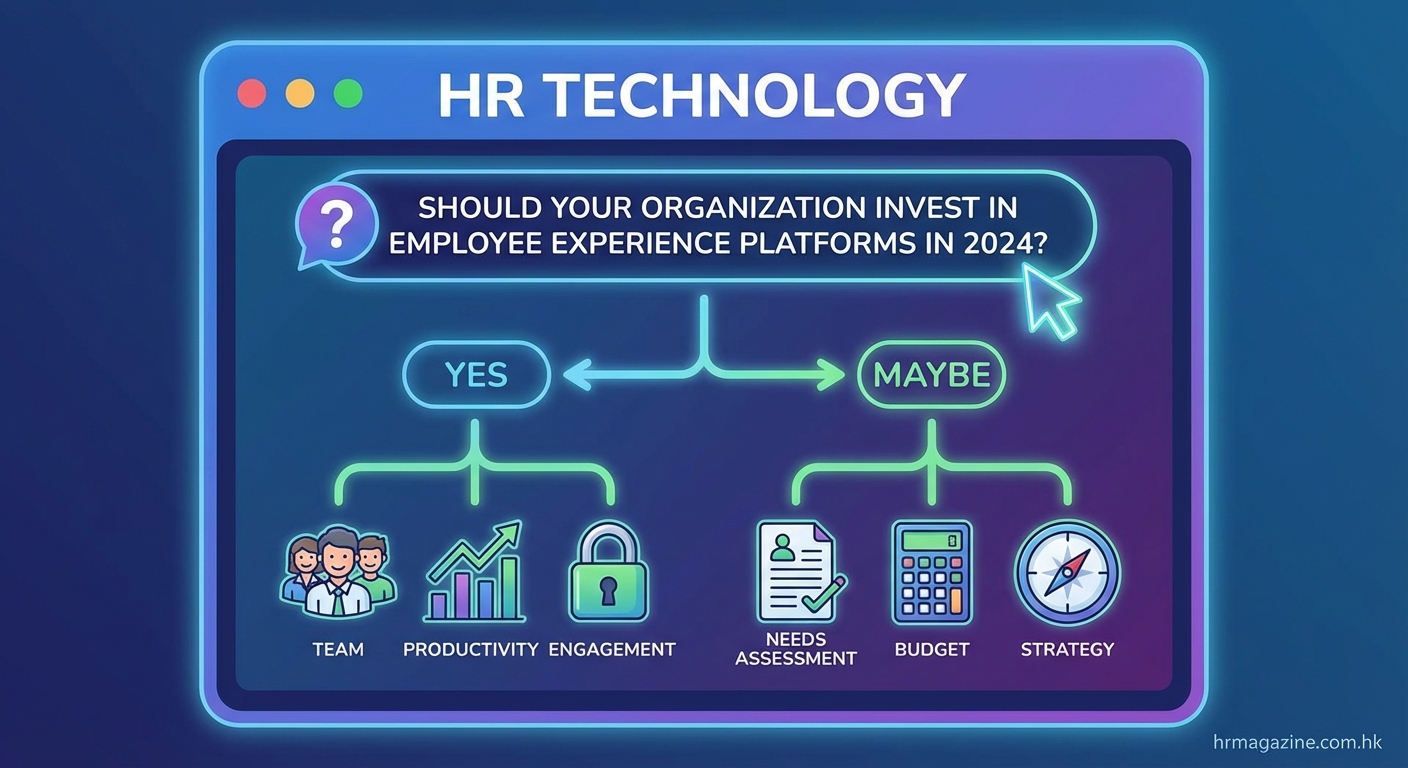
Should Your Organization Invest in Employee Experience Platforms in 2026?
The workplace has changed faster in the past four years than in the previous forty. Remote work, hybrid models, and shifting employee expectations have forced HR leaders to rethink how they support their people. Traditional HR systems were built for compliance and payroll, not for creating meaningful employee experiences. That gap is why employee experience platforms have become one of the most discussed technology investments in 2024.
Employee experience platforms in 2024 integrate communication, feedback, recognition, and development tools into unified systems. These platforms help organizations measure engagement, personalize employee journeys, and respond to workforce needs in real time. HR leaders evaluating these investments should prioritize integration capabilities, data security, and alignment with business objectives rather than feature lists alone.
What makes employee experience platforms different from traditional HR tech
Most HR professionals already work with multiple systems. You likely have an HRIS for records, a performance management tool, maybe a separate engagement survey platform, and various communication apps. Employee experience platforms attempt to bring these fragmented tools together under one roof.
The key difference is philosophy. Traditional HR systems were designed around processes. Employee experience platforms are designed around people.
These platforms typically include several core components:
- Centralized communication hubs that replace scattered emails and announcements
- Continuous feedback mechanisms beyond annual surveys
- Recognition and rewards systems that celebrate achievements in real time
- Learning and development pathways personalized to individual career goals
- Analytics dashboards that surface trends before they become problems
The best platforms feel less like software and more like a digital workplace where employees naturally spend time. They integrate with tools your team already uses, from Slack to Microsoft Teams, rather than forcing everyone to adopt yet another login.
Why 2024 is a turning point for these platforms
Several factors have converged to make this year particularly significant for employee experience technology.
First, artificial intelligence has matured enough to be genuinely useful rather than just a marketing buzzword. Modern platforms use AI to personalize content feeds, suggest relevant learning resources, and even predict which employees might be at risk of leaving based on engagement patterns.
Second, the data privacy landscape has evolved. Hong Kong’s privacy regulations, along with global standards like GDPR, have forced platform providers to build better security and consent management. This makes it safer for organizations to consolidate employee data.
Third, the talent market remains competitive. Organizations that invested in employee experience during the pandemic saw measurably better retention rates. That ROI story has convinced more CFOs to approve these investments.
Fourth, the technology itself has improved dramatically. Early platforms were clunky and required extensive IT support. Today’s solutions are mobile-first, intuitive, and can be deployed in weeks rather than months.
How to evaluate platforms for your organization
Choosing an employee experience platform requires more than comparing feature lists. Here’s a structured approach that has worked for HR leaders across industries.
1. Start with your biggest pain points
Don’t begin by looking at platforms. Begin by identifying your three most pressing employee experience challenges. Is it communication gaps between office and remote workers? Low participation in development programs? Difficulty gathering honest feedback?
Your pain points will guide which features actually matter. A platform with sophisticated AI recommendations won’t help if your primary issue is that employees can’t find basic HR policies.
2. Map your current tech stack
List every HR and workplace tool your organization currently uses. Include everything from your HRIS and payroll system to collaboration tools and survey platforms.
Understanding your existing ecosystem is critical because integration capabilities often determine success or failure. A platform that can’t pull data from your HRIS or push notifications through your existing chat tool will create more friction than it solves.
3. Define success metrics before you shop
Too many organizations buy platforms and then figure out how to measure success. Reverse that order.
Decide now what would make this investment worthwhile. Is it reducing time to fill open positions? Improving engagement scores in specific departments? Decreasing IT support tickets related to HR questions?
Having clear metrics lets you ask vendors for case studies and data that actually relate to your goals.
4. Involve employees in the evaluation process
HR leaders sometimes make the mistake of selecting platforms based solely on administrative convenience. The people who will use these platforms daily should have input.
Form a small cross-functional team that includes employees from different departments, levels, and locations. Have them test the top two or three platforms and provide feedback on usability, mobile experience, and whether they would actually use the features.
“The best employee experience platform is the one your employees actually open. We tested three solutions with focus groups before making a final decision, and the feedback completely changed our priorities. Features we thought were essential turned out to be confusing, while simple functions we almost overlooked became the most valued.” – Chief People Officer at a Hong Kong financial services firm
Common mistakes when implementing these platforms
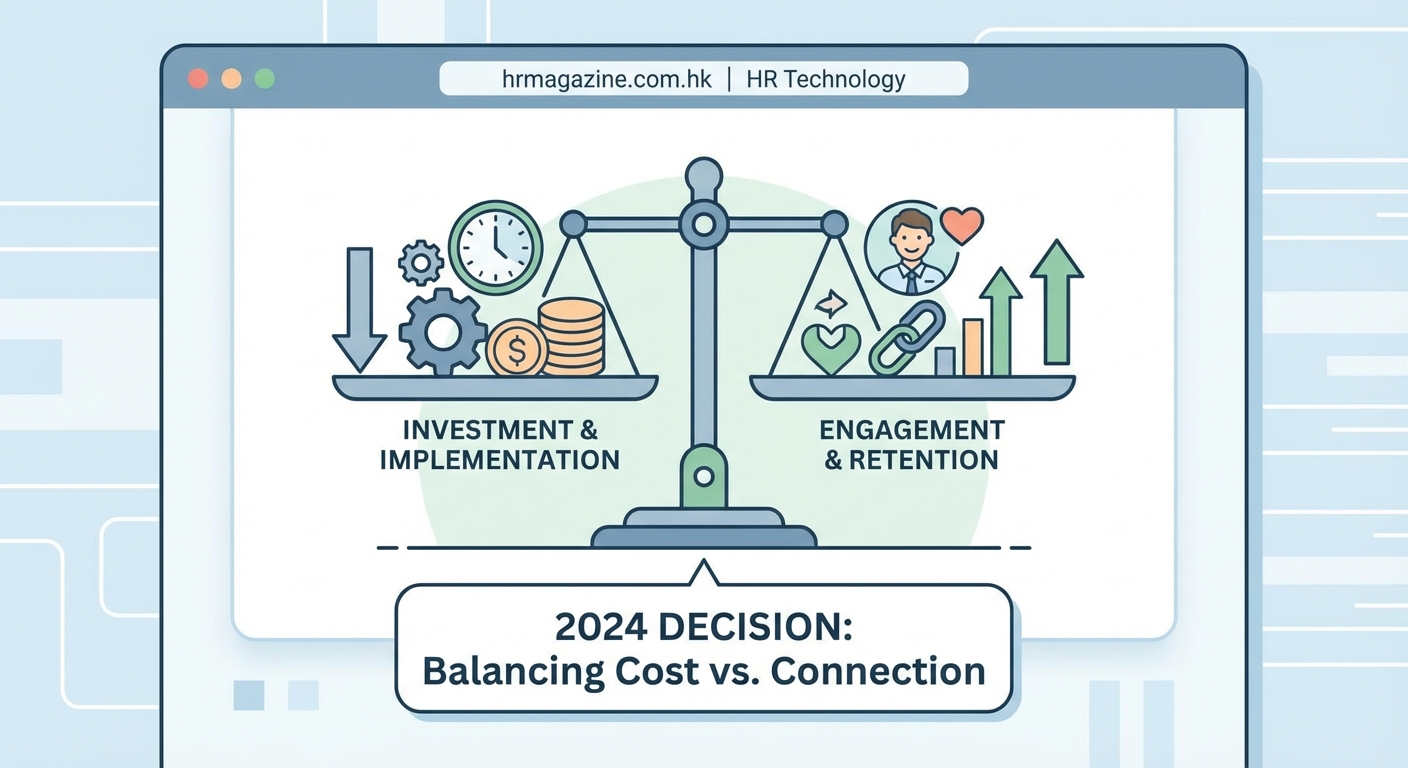
Even the right platform can fail with poor implementation. Here are mistakes to avoid based on what HR leaders have learned the hard way.
| Mistake | Why it happens | How to avoid it |
|---|---|---|
| Launching everything at once | Vendors showcase all features, creating pressure to use them all | Phase rollout over 3-6 months, starting with highest-impact features |
| Treating it as an IT project | Platform selection happens in HR, then gets handed to IT | Form joint HR-IT team from day one with shared ownership |
| Ignoring change management | Assumption that good software sells itself | Budget 30% of project resources for training and adoption support |
| Not cleaning data first | Urgency to launch overrides data preparation | Audit and clean HRIS data 60 days before platform launch |
| Forgetting about managers | Focus on employee experience overlooks manager enablement | Create manager-specific training on how to use insights effectively |
The data cleaning point deserves emphasis. If your employee records contain outdated job titles, incorrect department assignments, or missing manager relationships, your new platform will surface those problems immediately and publicly. Fix the foundation before you build on it.
What features actually drive adoption
Vendors will pitch dozens of capabilities. Based on adoption data from organizations that have successfully deployed these platforms, a few features consistently drive daily usage.
Personalized news feeds that surface relevant content based on role, location, and interests keep employees coming back. Generic company announcements sent to everyone get ignored. Targeted content that helps someone do their job better gets read.
Easy access to answers through AI-powered chatbots or searchable knowledge bases reduces frustration and IT tickets. When employees can find the parental leave policy or reset their benefits enrollment in 30 seconds, they appreciate the platform.
Peer recognition tools that let employees celebrate each other’s work create positive engagement loops. Public recognition feels good for both the giver and receiver, which drives repeated use.
Mobile-first design is non-negotiable in 2024. If your platform requires a laptop to use core features, adoption will suffer. Frontline workers, field staff, and even office employees increasingly expect to handle HR tasks from their phones.
Seamless single sign-on eliminates the friction of remembering yet another password. Integration with your organization’s identity management system makes the platform feel like a natural extension of existing tools.
The role of analytics in modern employee experience
One of the most powerful aspects of employee experience platforms is the data they generate. Traditional HR metrics like headcount and turnover are lagging indicators. By the time you see the problem, damage is done.
Modern platforms provide leading indicators through continuous listening. You can see engagement trends by team, identify which managers have the highest-performing groups, and spot potential retention risks before employees start interviewing elsewhere.
The analytics component typically includes:
- Sentiment analysis from pulse surveys and feedback
- Participation rates across different platform features
- Time to resolution for employee questions and requests
- Correlation between engagement scores and business outcomes
- Benchmarking against similar organizations or industries
The key is using this data thoughtfully rather than overwhelming managers with dashboards. The best implementations distill insights into actionable recommendations. Instead of showing a manager that their team’s engagement dropped three points, the platform might suggest specific actions based on what worked for other teams facing similar challenges.
Integration with existing systems matters more than you think
No employee experience platform exists in isolation. It needs to exchange data with your HRIS, sync with your calendar system, connect to your learning management platform, and integrate with communication tools.
Poor integration creates several problems. Employees have to enter the same information in multiple places. Data becomes inconsistent across systems. The platform feels disconnected from daily work rather than embedded in it.
When evaluating platforms, ask detailed questions about integration:
- Which systems have pre-built connectors versus requiring custom development?
- How often does data sync between systems?
- What happens when there’s a conflict between the platform and your HRIS?
- Can the platform push notifications through existing communication channels?
- Does it support single sign-on with your identity provider?
Request a technical integration review before signing contracts. Your IT team should validate that the vendor’s claims about integration capabilities match reality.
Cost considerations beyond the license fee
Platform pricing models vary widely. Some vendors charge per employee per month. Others have tiered pricing based on features. A few still use traditional license models.
The subscription fee is just the starting point. Factor in these additional costs:
- Implementation and configuration services
- Data migration from existing systems
- Custom integrations if pre-built connectors don’t exist
- Training for HR staff, managers, and employees
- Ongoing administration time
- Potential consulting support for change management
A platform with a lower license fee but expensive implementation costs might end up more expensive than a pricier option that includes implementation support.
Also consider the cost of not investing. What is high turnover costing your organization? How much productivity is lost when employees can’t find information? What is the impact of low engagement on customer satisfaction? Sometimes the ROI case is stronger than it initially appears.
Security and privacy requirements for Hong Kong organizations
Employee experience platforms handle sensitive personal data. In Hong Kong, this means compliance with the Personal Data Privacy Ordinance.
Key privacy considerations include:
- Where is employee data stored geographically?
- How is data encrypted in transit and at rest?
- What access controls exist to limit who can see sensitive information?
- How does the platform handle employee consent for data collection?
- What is the vendor’s data breach notification process?
- Can employees request their data or ask for deletion?
Don’t assume that large, reputable vendors automatically handle these requirements correctly. Ask specific questions and review the data processing agreement carefully. Your legal team should be involved in this review.
Some organizations have specific requirements around data residency. If your employee data must remain within Hong Kong or certain approved jurisdictions, confirm this with the vendor in writing before proceeding.
Building the business case for executive approval
Convincing leadership to invest in an employee experience platform requires connecting the investment to business outcomes they care about.
Frame your proposal around these elements:
Problem statement: Quantify current challenges with specific data. How many employees leave within the first year? What percentage of engagement survey respondents cite communication issues? How many IT tickets are basic HR questions?
Solution overview: Explain how the platform addresses these problems without getting lost in technical features. Focus on outcomes, not capabilities.
Financial impact: Estimate the ROI based on improvements in retention, productivity, or reduced administrative time. Be conservative in your projections.
Risk mitigation: Address potential concerns about implementation complexity, data security, and user adoption before they’re raised.
Timeline: Provide a realistic rollout schedule with clear milestones.
Alternatives considered: Show that you evaluated multiple options and explain why you recommend this particular platform.
Include quotes or case studies from similar organizations that have achieved measurable results. CFOs and CEOs are more convinced by peer examples than vendor promises.
Making employee experience platforms work long term
Buying a platform is the easy part. Making it a lasting part of your organization’s culture requires ongoing effort.
Assign a dedicated platform owner within HR. This person becomes the internal expert, manages vendor relationships, monitors adoption metrics, and coordinates updates. Without clear ownership, platforms gradually lose momentum.
Establish a regular cadence of new feature releases. Even if you don’t turn on every capability immediately, introducing new functions quarterly keeps the platform feeling fresh and gives you reasons to re-engage employees.
Create feedback loops with users. Survey employees about what’s working and what isn’t. Form an employee advisory group that helps prioritize enhancements.
Celebrate wins publicly. When a team uses the platform to solve a problem or when adoption hits a milestone, share that success. This reinforces the value and encourages broader participation.
Review analytics monthly with leadership. Share trends, insights, and actions you’re taking based on the data. This demonstrates ongoing value and keeps the investment visible.
Where employee experience platforms are heading
The technology continues to advance rapidly. Here’s what to expect in the coming years.
Artificial intelligence will become more sophisticated at predicting employee needs before they’re expressed. Platforms might suggest a learning course based on career aspirations mentioned in a recent conversation or proactively offer support resources when they detect signs of burnout.
Integration with business systems beyond HR will increase. Imagine your employee experience platform connecting with project management tools to automatically recognize team members when a major project completes, or integrating with customer feedback systems to close the loop between employee engagement and customer satisfaction.
Personalization will reach new levels. Instead of one-size-fits-all experiences, platforms will adapt to individual work styles, communication preferences, and career stages.
Virtual and augmented reality components may emerge for training, onboarding, and team building, particularly for distributed workforces.
The line between employee experience platforms and the digital workplace will blur. These tools will become the primary interface through which employees interact with their organization.
Creating experiences that actually matter
Technology alone doesn’t create great employee experiences. The best platforms amplify good management and thoughtful HR practices. They make it easier to do the right things at scale.
Before investing in any platform, ask yourself whether your organization is ready to act on the insights it will provide. If you’re not prepared to respond when the data shows a team is struggling, the platform will just document problems rather than solve them.
Start with clarity about what kind of workplace you want to create. Then find the technology that helps you build it. The platform is a tool, not a strategy.
For HR leaders in Hong Kong navigating competitive talent markets and evolving employee expectations, the right employee experience platform can be transformative. It can help you listen better, respond faster, and create the kind of workplace where people choose to stay and do their best work.
Choose thoughtfully, implement carefully, and commit to the ongoing work of making it successful. The investment in your people’s experience will show up in retention, engagement, and ultimately, business results.