
How AI-Powered Recruitment Tools Are Reducing Time-to-Hire in Hong Kong’s Competitive Market
Hong Kong’s talent market moves fast. Roles stay open for weeks while competitors snap up the best candidates. HR teams juggle hundreds of applications, schedule endless interviews, and still struggle to find the right fit. AI recruitment tools are changing that reality for companies across the city, cutting hiring timelines from months to weeks and helping teams focus on what actually matters: connecting with people who can do the job.
AI recruitment tools in Hong Kong are transforming how companies hire by automating resume screening, improving candidate matching, and reducing time-to-hire by up to 40%. These platforms help HR teams handle high application volumes, eliminate unconscious bias, and focus on strategic relationship-building. Success requires choosing the right tool, training your team properly, and balancing automation with human judgment throughout the hiring process.
Why Hong Kong companies are turning to AI for hiring
The city’s recruitment challenges are unique. High application volumes flood inboxes daily. Skill shortages in tech, finance, and specialized roles make every hire critical. Candidates expect responses within days, not weeks. Traditional recruitment methods can’t keep pace.
AI tools handle the heavy lifting. They scan resumes in seconds, rank candidates based on actual qualifications, and flag top prospects before your competitors do. One Hong Kong fintech company reduced their screening time from five days to eight hours using AI-powered applicant tracking systems. Their HR team now spends time interviewing qualified candidates instead of reading hundreds of mismatched CVs.
The technology works because it learns. Feed it data about your best hires, and it identifies patterns you might miss. Someone with non-traditional experience but the right skills rises to the top. A candidate who ticks every box but lacks cultural fit gets appropriate context, not an automatic interview.
How AI recruitment platforms actually work
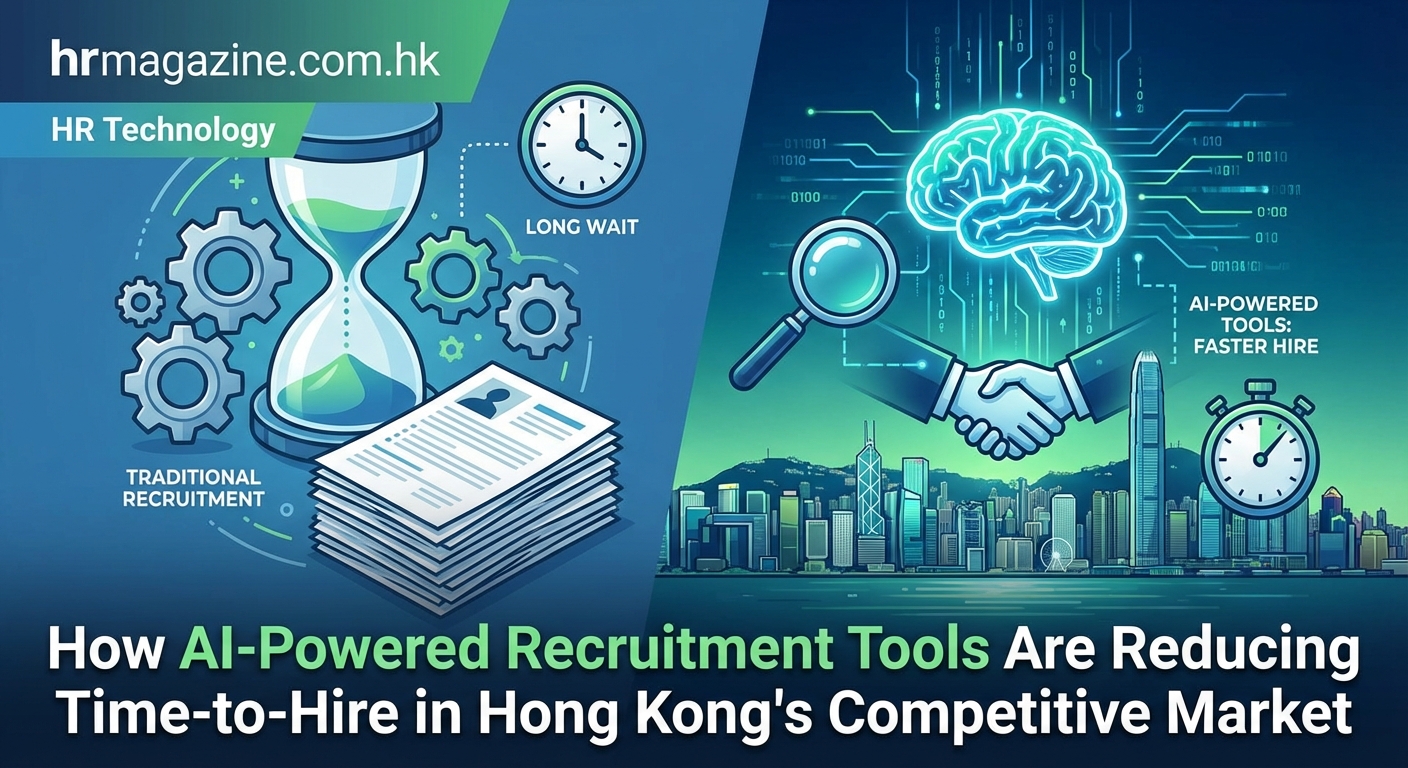
Understanding the mechanics helps you choose the right tool and use it effectively.
Resume parsing and analysis
AI systems read resumes like a human recruiter would, but faster. They extract names, contact details, work history, education, and skills. Natural language processing identifies context. “Managed a team of five” gets weighted differently than “collaborated with team members.” The system builds a structured profile from unstructured text.
Candidate ranking algorithms
Machine learning models compare each applicant against your job requirements. They consider hard skills, soft skills mentioned in cover letters, years of experience, and even career progression patterns. The output is a ranked list with match scores. You see why each person made the cut.
Automated communication
Chatbots handle initial candidate questions, schedule interviews, and send status updates. This keeps applicants engaged while your team focuses on evaluation. Response times drop from days to minutes.
Predictive analytics
Advanced platforms predict which candidates will accept offers, how long they’ll stay, and whether they’ll succeed in the role. They analyze historical hiring data to spot trends and improve future recommendations.
Three types of AI recruitment tools Hong Kong teams are using
Different problems need different solutions. Here’s what’s working in the local market.
-
Applicant tracking systems with AI features
These platforms manage the entire hiring pipeline. They post jobs across multiple boards, collect applications, screen candidates, and track progress. AI adds smart filtering, automated scheduling, and analytics. Popular options include systems that integrate with existing HR software, making adoption smoother for teams already using digital tools. -
Specialized screening platforms
Some tools focus solely on candidate assessment. They use AI to administer skills tests, analyze video interviews, or evaluate coding challenges. A Hong Kong e-commerce company uses AI video screening to assess communication skills and cultural fit before live interviews. Their hiring managers only meet candidates who’ve already demonstrated core competencies. -
Sourcing and matching engines
These tools find passive candidates who aren’t actively job hunting. They scan professional networks, analyze profiles, and identify people whose skills match your needs. The AI reaches out with personalized messages, warming up prospects before your recruiters make contact.
Practical benefits teams are seeing right now
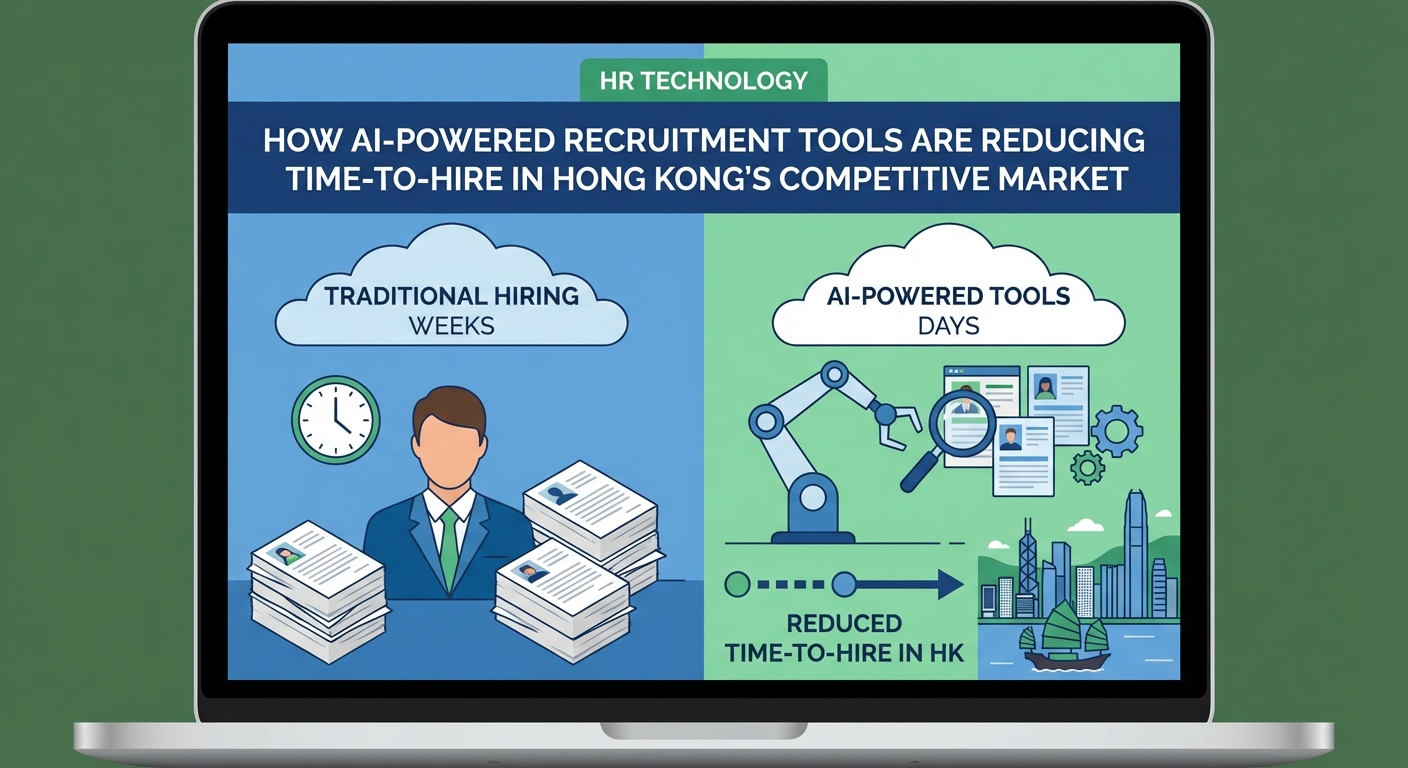
The impact shows up in metrics that matter to business leaders.
Faster time-to-hire
Companies report 30-40% reductions in hiring timelines. Automated screening happens overnight. Interview scheduling that used to take a week of email tennis now takes minutes. Roles fill before competitors even finish their first round of interviews.
Better candidate quality
AI removes gut feelings from initial screening. A candidate with an unusual background but perfect skills gets fair consideration. Match scores based on data beat hunches based on where someone went to university.
Reduced hiring costs
Fewer hours spent on manual tasks means lower recruitment expenses. One Hong Kong retailer calculated they saved HK$200,000 annually by automating their initial screening process. That budget now funds better onboarding programs.
Improved candidate experience
Applicants get faster responses, clearer communication, and more transparency. They know where they stand in the process. Even rejected candidates leave with a positive impression of your employer brand.
“The biggest shift wasn’t just speed. It was confidence. We knew we weren’t missing great candidates because someone’s resume didn’t use the exact keywords we expected. The AI found people we would have overlooked.” – Senior Talent Acquisition Manager, Hong Kong financial services firm
Common mistakes to avoid when implementing AI recruitment tools
Technology solves problems, but only if you use it correctly.
| Mistake | Why it happens | How to fix it |
|---|---|---|
| Over-relying on automation | Teams assume AI can handle everything | Keep human review for final decisions and cultural fit assessment |
| Poor job description quality | AI can only work with the data you give it | Write clear, detailed requirements with specific skills and qualifications |
| Ignoring bias in training data | Historical hiring patterns may contain unconscious bias | Regularly audit AI recommendations and adjust algorithms |
| Skipping candidate communication | Automation feels impersonal without human touch | Personalize automated messages and follow up personally at key stages |
| Not training your team | HR staff don’t understand how to interpret AI insights | Invest in proper onboarding and ongoing education for recruitment tools |
The most successful implementations blend AI efficiency with human judgment. Use technology to handle volume and speed. Use people to assess nuance, build relationships, and make final calls.
Choosing the right AI recruitment platform for your Hong Kong team
Not every tool fits every company. Here’s how to evaluate options.
Assess your biggest pain points
Are you drowning in applications? Struggling to find specialized talent? Losing candidates to slow processes? Different tools address different problems. A high-volume retailer needs different features than a boutique consultancy hiring senior executives.
Check local compliance features
Hong Kong has specific employment regulations and data privacy requirements. Your AI tool must handle personal data correctly, store information securely, and support local hiring practices. Ask vendors about their compliance certifications and data handling policies.
Evaluate integration capabilities
The best AI recruitment tool connects with your existing systems. It should sync with your HRIS, calendar software, email platform, and job boards. Standalone tools create more work, not less.
Test the user experience
Both recruiters and candidates interact with the platform. Request demos. Have your team test the interface. Apply for a test job yourself to see what candidates experience. Clunky software gets abandoned, no matter how smart the AI.
Review support and training options
Implementation takes time and expertise. Look for vendors offering comprehensive training, responsive support, and regular updates. The Hong Kong market moves fast. Your tools need to keep pace.
Building your AI recruitment implementation roadmap
Success comes from thoughtful rollout, not rushed adoption.
-
Start with a pilot program
Choose one department or role type to test the new system. Measure results against your traditional process. Gather feedback from recruiters and candidates. Adjust settings and workflows based on real data. -
Train your team thoroughly
Schedule hands-on sessions where recruiters practice using the platform. Explain how AI makes recommendations and what the scores mean. Address concerns about job security. Frame AI as a tool that handles boring tasks so they can focus on strategic work. -
Set clear success metrics
Define what improvement looks like. Time-to-hire? Cost-per-hire? Candidate satisfaction scores? Quality-of-hire ratings after six months? Track these numbers before and after implementation. Share results with stakeholders. -
Iterate based on outcomes
AI systems improve with use. Review your hiring data quarterly. Which candidates succeeded? Which didn’t? Feed that information back into the system. Adjust your job description templates. Refine your screening criteria. -
Maintain the human element
Technology handles scale. People handle connection. Use the time AI saves to conduct better interviews, build talent pipelines, and create memorable candidate experiences. The companies winning Hong Kong’s talent war combine algorithmic efficiency with genuine human relationships.
Real applications across Hong Kong industries
Different sectors are adapting AI recruitment tools to their specific needs.
Financial services
Banks and investment firms use AI to screen technical candidates for programming roles and quantitative positions. The tools assess coding skills, mathematical reasoning, and problem-solving ability before human interviews. This filters thousands of applicants down to dozens of qualified prospects.
Retail and hospitality
High-volume hiring for customer-facing roles benefits from AI-powered video screening. Candidates record responses to standard questions. AI analyzes communication skills, enthusiasm, and alignment with company values. Store managers only interview candidates who score well on these dimensions.
Technology startups
Fast-growing tech companies use AI sourcing tools to find passive candidates with niche skills. The platforms identify developers, designers, and product managers who aren’t actively job hunting but might be open to the right opportunity. Personalized outreach messages generated by AI get response rates 3x higher than generic recruiting emails.
Professional services
Consulting firms and law offices use AI to evaluate analytical thinking and cultural fit. Candidates complete situational judgment tests and personality assessments. AI flags people who match the firm’s values and working style, reducing early turnover.
Addressing concerns about AI in recruitment
New technology brings legitimate questions. Here’s how to think about common worries.
Will AI replace human recruiters?
No. AI handles repetitive tasks like resume screening and interview scheduling. Recruiters focus on relationship-building, negotiation, employer branding, and strategic workforce planning. The role evolves, but remains essential.
How do we prevent algorithmic bias?
Choose platforms that allow regular audits of their algorithms. Review hiring outcomes by demographic group. If the AI consistently ranks certain groups lower, investigate and adjust. Transparency in how the system makes decisions helps identify and fix bias.
What about candidate privacy?
Reputable AI recruitment platforms comply with data protection regulations. They encrypt personal information, limit data retention, and give candidates control over their information. Review privacy policies carefully before selecting a vendor.
Can candidates game the system?
Some applicants use AI to optimize their resumes for applicant tracking systems. This creates an arms race of sorts. The solution is combining AI screening with skills assessments and human interviews. No single tool should make hiring decisions alone.
What’s coming next for AI recruitment in Hong Kong
The technology continues advancing. Here’s what to watch.
More sophisticated matching algorithms
Next-generation platforms will better predict long-term success and cultural fit. They’ll analyze communication patterns, work style preferences, and career trajectory to forecast not just who can do the job, but who will thrive in your specific environment.
Enhanced candidate engagement tools
AI chatbots will conduct more natural conversations, answer complex questions, and provide personalized career advice. The line between automated and human interaction will blur, creating better experiences without requiring more recruiter time.
Deeper integration with skills platforms
AI recruitment tools will connect directly with online learning platforms, certification programs, and skills assessment providers. They’ll verify candidate abilities in real-time and suggest training paths for promising applicants who need specific development.
Predictive workforce planning
AI won’t just fill current openings. It will forecast future talent needs based on business growth, market trends, and employee turnover patterns. HR teams will hire proactively instead of reactively.
Making AI recruitment work for your organization
The technology exists. The question is how you’ll use it.
Start small. Pick one painful part of your hiring process and apply AI there. Maybe it’s screening for a high-volume role. Maybe it’s sourcing for a position that’s been open for months. Measure the results. Learn what works in your context.
Train your team properly. The best AI recruitment tool fails if your recruiters don’t understand it or don’t trust it. Invest time in education. Explain the logic behind recommendations. Show them how to override the system when human judgment matters more.
Keep candidates at the center. Fast, efficient hiring only matters if you’re bringing in the right people and treating them well throughout the process. Use the time AI saves to create better interview experiences, provide thoughtful feedback, and build relationships that last beyond the hire.
Hong Kong’s talent market won’t slow down. The companies that win will be the ones that combine technological efficiency with human insight. AI recruitment tools give you speed and scale. What you do with that advantage determines whether you just fill roles faster or actually build stronger teams.