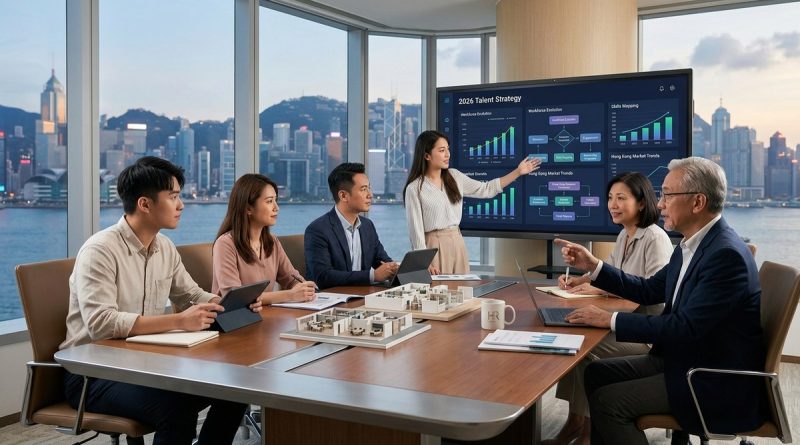
Why Hong Kong’s Multigenerational Workforce Is Reshaping Talent Strategy in 2026
Hong Kong’s workforce in 2026 looks very different from just a few years ago. Multiple generations now work side by side, each bringing unique strengths and challenges. This mix isn’t a temporary trend. It’s a fundamental shift shaping how organizations attract, retain, and develop talent. HR leaders who understand these dynamics can craft smarter strategies that unlock the full potential of their teams.
By 2026, Hong Kong’s multigenerational workforce will be a key driver of innovation and productivity. HR teams must adapt their talent strategies to leverage diverse experiences, values, and expectations across age groups for long-term success.
The shifting landscape of Hong Kong’s multigenerational workforce
Hong Kong has long been a hub of global commerce and innovation. Now, its labor market reflects a broader spectrum of age groups than ever before. Four generations often work together: Baby Boomers, Generation X, Millennials, and Generation Z. Each generation has different priorities, communication styles, and expectations.
This diversity creates both opportunities and hurdles. On one hand, it offers a rich pool of skills and perspectives. On the other, it challenges HR teams to foster harmony and engagement across age gaps.
Several forces drive this change. Increased life expectancy means older workers stay longer. Economic factors influence retirement decisions. Cultural shifts reshape attitudes toward work and personal growth. All these factors mean organizations need to rethink traditional talent management.
Why multigenerational teams will define success in 2026
A multigenerational workforce in Hong Kong can be a strategic advantage. When managed well, it fuels innovation, enhances problem-solving, and promotes knowledge sharing. For example, seasoned Baby Boomers often bring institutional knowledge, while Millennials and Gen Zers introduce fresh ideas and digital fluency.
But this potential depends on HR’s ability to adapt. Companies that foster inclusive environments where all age groups feel valued tend to outperform competitors. Conversely, ignoring intergenerational differences can lead to disengagement, turnover, and lost productivity.
Practical steps for HR teams to thrive in a multigenerational Hong Kong
Adapting talent strategies for 2026 involves a clear, deliberate process. Here are three steps HR professionals can take:
-
Identify generational strengths and needs
Begin by mapping your workforce’s age distribution and understanding each group’s motivations. Conduct surveys or focus groups to gather insights into what different generations value—whether it’s career development, work-life balance, or purpose-driven work. -
Design inclusive policies and programs
Create flexible work arrangements that accommodate various life stages. For instance, offering part-time options or sabbaticals can appeal across generations. Invest in training programs that bridge gaps, such as mentorship schemes where experienced employees guide younger colleagues, and vice versa. -
Foster a culture of mutual respect and learning
Encourage open dialogue about differences and common goals. Recognize contributions from all age groups publicly. Use team-building activities that promote cross-generational collaboration.
Techniques to support multigenerational harmony
- Promote intergenerational mentorship programs
- Implement age-inclusive benefits and wellness initiatives
- Use communication channels suited for diverse preferences
- Offer ongoing learning opportunities tailored to different career stages
- Recognize diverse achievements to foster belonging
Common pitfalls and how to avoid them
| Mistake | Technique to Avoid | Explanation |
|---|---|---|
| Stereotyping age groups | Conduct regular engagement surveys | Understand individual motivations beyond age stereotypes. |
| Rigid policies | Offer flexible work options | Cater to varying life stages and preferences. |
| Ignoring feedback | Create open forums | Gather input from all generations for continuous improvement. |
“The key to a thriving multigenerational workforce is not just about managing differences but about harnessing the unique strengths of each generation to create a resilient and innovative organization,” advises HR consultant Jane Lee.
Navigating employment regulations and cultural nuances
Hong Kong’s employment laws are evolving to support a diverse workforce. Recent amendments encourage flexible working arrangements and emphasize inclusivity. HR teams must stay updated with these changes to ensure compliance and foster a positive environment.
Cultural understanding also plays a crucial role. For example, respect for seniority remains important in many Hong Kong companies, but younger employees seek more engagement and purpose. Bridging these cultural expectations requires thoughtful policies and leadership.
Building a multigenerational talent pipeline
Creating a steady flow of talent across generations requires strategic planning. Consider the following:
- Develop internship and graduate programs targeting younger talent
- Offer continuous learning opportunities to upskill mid-career workers
- Create pathways for older employees to transition into mentorship or advisory roles
- Use data analytics to identify skills gaps and forecast future needs
How to spot and fix common talent pipeline mistakes
| Technique | Mistake | Consequence |
|---|---|---|
| Regular talent reviews | Overlooking mid-career development | Skills gaps emerge, reducing agility |
| Talent mapping using data | Relying only on external hiring | Internal growth stalls, demotivating staff |
| Succession planning | Failing to include older employees | Loss of institutional knowledge |
Preparing HR for 2026 and beyond
To stay ahead, HR teams need to develop agility and cultural competence. This involves ongoing training, leveraging technology, and cultivating inclusive leadership. Embracing AI tools can help analyze workforce data, identify trends, and personalize development programs.
Additionally, fostering a community of HR practitioners through regional conferences and networking events keeps ideas fresh and practices innovative.
“Investing in multigenerational talent management is an investment in your organization’s future. It’s about creating a workplace where everyone can thrive,” notes regional HR expert David Cheng.
A future-ready approach to Hong Kong’s workforce
Managing the complexities of a multigenerational team in Hong Kong calls for a balanced, flexible approach. Think of it as tailoring a suit. Every thread, every cut, must suit the person wearing it. Similarly, HR strategies must be personalized, inclusive, and forward-looking.
Start by understanding your workforce’s unique composition and aspirations. Build policies that support growth at every stage. Promote a culture that respects differences and encourages mutual learning. And stay informed about evolving regulations and best practices.
By doing so, your organization can turn generational diversity into a competitive edge. The workforce of 2026 isn’t just about age groups. It’s about harnessing the collective power of experience, innovation, and shared purpose.
Your next steps in shaping a resilient talent strategy
The future belongs to those who adapt. Use these insights to review your current talent approach. Engage your team in open conversations about generational needs. Invest in training and mentorship programs that bridge gaps. And keep an eye on regulatory shifts to stay compliant and progressive.
Remember, a multigenerational workforce is a vibrant asset. With the right mindset and strategies, it can propel your organization to new heights. Take action today. Your team will thank you tomorrow.