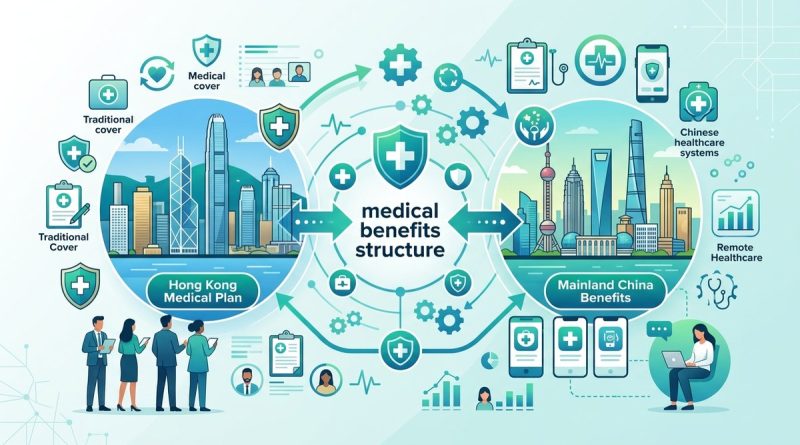
How to Structure Medical Benefits When Your Hong Kong Team Includes Mainland China Remote Workers
Providing medical benefits to remote workers across borders can feel complex. Companies in Hong Kong often wonder how to fairly and compliantly support staff based in Mainland China. Crafting a benefits plan that meets legal requirements while keeping employees happy is crucial. With the rise of remote work, especially in the region, HR teams must navigate a patchwork of regulations and expectations. Let’s break down how to structure medical benefits that work seamlessly for Hong Kong companies with Mainland China remote employees.
Designing medical benefits for Hong Kong companies with Mainland China remote workers requires understanding regional regulations, offering tailored plans, and maintaining clear communication. Practical steps include assessing legal obligations, choosing appropriate coverage options, and ensuring compliance with cross-border policies. Balancing employee needs with legal requirements helps build trust and promotes wellbeing across borders, ultimately supporting talent retention and company growth.
Understanding the landscape of cross-border medical benefits
Supporting employees who work remotely in Mainland China from Hong Kong involves more than just offering standard health insurance. It requires a nuanced understanding of the employment laws, social security obligations, and healthcare systems in both jurisdictions. While Hong Kong has a well-established private healthcare sector, Mainland China’s healthcare landscape is complex, with different insurance schemes and regional variations.
For HR professionals, the key is to recognize these differences and design benefits that are both attractive and compliant. This means staying updated on employment regulations, social insurance requirements, and the expectations of Mainland China employees. It’s also essential to consider the practicalities of healthcare access, language barriers, and cultural preferences.
Practical steps to structure medical benefits for Mainland China remote workers
-
Evaluate legal and regulatory obligations
The first step is understanding the legal framework. Mainland China requires foreign companies to register with local authorities if they employ staff directly. Social insurance contributions are mandatory for Chinese employees, which include medical insurance, pension, and housing fund contributions. Employers must decide whether to contribute on behalf of remote workers or offer supplementary private coverage. Consulting legal experts or local HR specialists can clarify these requirements. -
Choose compliant and appealing coverage options
Not all insurance plans are created equal. For Mainland China remote workers, consider offering a combination of local social insurance contributions and private health plans. Many multinational insurers provide cross-border health benefits tailored for expatriates and remote employees. These plans often include outpatient, inpatient, and dental coverage, with access to a broad network of healthcare providers. It’s important to select plans that align with employees’ needs and regional regulations. -
Implement clear communication and administration processes
Transparency is vital. HR teams should clearly communicate what benefits are provided, how employees can access healthcare services, and what they need to do to make claims. Regular updates about regulatory changes and available options help build trust. Additionally, streamlining administration—perhaps through dedicated benefits platforms—reduces confusion and ensures timely support.
Best practices for managing cross-border medical benefits
-
Stay updated on employment laws
Regulations in Mainland China are subject to change. Regularly review compliance requirements related to social security, tax implications, and employment contracts. -
Offer flexible benefits packages
Employees in Mainland China may have diverse needs. Providing options such as additional private insurance, wellness allowances, or telemedicine services can enhance satisfaction. -
Partner with local experts
Collaborating with local insurance brokers or benefits providers can simplify the process. They understand regional nuances and can help customize plans suited for your remote workforce. -
Maintain documentation and compliance records
Keep detailed records of contributions, employee enrollments, and communications to ensure audit readiness and legal compliance.
Common pitfalls in structuring medical benefits across borders
| Technique | Mistake | Consequence |
|---|---|---|
| Relying solely on local Hong Kong plans | Ignoring Mainland China’s social insurance regulations | Non-compliance, legal penalties |
| Offering one-size-fits-all plans | Not tailoring benefits to regional needs | Low employee satisfaction |
| Failing to communicate benefits clearly | Employees unaware of how to access healthcare | Underutilized benefits, dissatisfaction |
| Neglecting regular compliance reviews | Outdated practices | Legal violations, financial penalties |
“Understanding the local healthcare and employment landscape is crucial. Regular review and adaptation of benefits ensure compliance and employee wellbeing,” advises regional HR consultant Lisa Chen.
Seamless integration of benefits for remote teams
To keep your Mainland China remote workers engaged and healthy, integration is key. Use digital benefits platforms that support multilingual interfaces and easy claims management. Conduct periodic surveys to gather feedback and adjust plans accordingly. Building a benefits ecosystem that respects regional differences while aligning with company policies ultimately strengthens your remote workforce.
Final thoughts on cross-border health benefits
Designing medical benefits for Hong Kong companies with Mainland China remote workers can seem complex at first. However, by understanding regional regulations, offering tailored options, and maintaining open communication, HR teams can create attractive and compliant plans. Regularly reviewing these strategies ensures they evolve with changing laws and employee needs.
Taking these practical steps will help your organization support your remote team’s health and wellbeing effectively. Remember, a well-structured benefits plan not only complies with regulations but also demonstrates your commitment to employees’ health, fostering loyalty and productivity across borders.