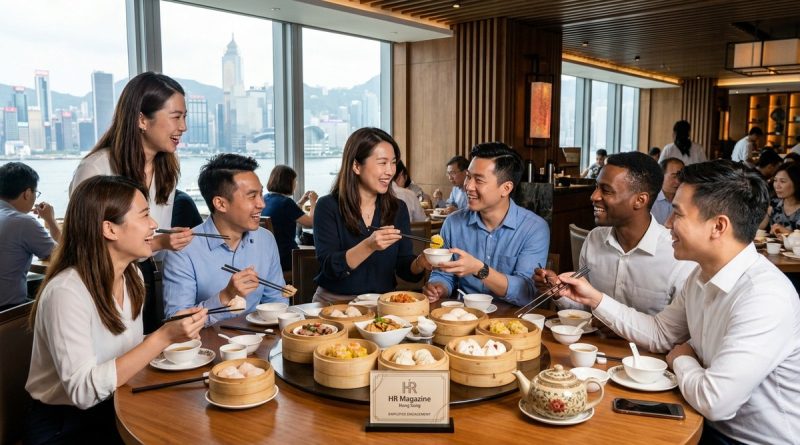
From Dim Sum to Team Building: Culturally Relevant Engagement Ideas for Hong Kong Workplaces
Looking for ways to strengthen your team in Hong Kong that resonate with local culture? Traditional activities like dim sum outings or dragon boat races already hold a special place in the city’s spirit. But today’s workplaces can benefit from innovative, culturally relevant engagement ideas that go beyond the usual. These activities not only boost morale but deepen connections rooted in Hong Kong’s rich heritage. Let’s explore how HR professionals, team managers, and event planners can craft meaningful experiences that truly reflect local culture and foster stronger team bonds.
Culturally relevant team building activities in Hong Kong blend local traditions with creative approaches, helping teams bond authentically. These activities foster engagement, showcase cultural pride, and create memorable shared experiences that resonate deeply with local employees.
Why Cultural Activities Matter in Hong Kong Workplaces
Hong Kong’s vibrant mix of East and West makes it a unique environment for team building. Incorporating local culture into activities creates a sense of identity and belonging. Employees feel valued when their cultural heritage is recognized and celebrated. Moreover, culturally relevant activities often translate into better participation and more genuine interactions. They break down barriers, encourage storytelling, and strengthen interpersonal bonds rooted in shared history.
HR professionals who integrate local culture into team activities can also demonstrate cultural sensitivity and inclusivity. This approach aligns with the region’s evolving employment practices that emphasize diversity and employee engagement.
Creative Ideas for Culturally Rooted Team Building in Hong Kong
Here are some engaging, culturally relevant activities that can energize your team and strengthen bonds.
1. Dim Sum Cooking Challenges
Nothing says Hong Kong like dim sum. Organize a cooking contest where teams learn to prepare classic dim sum dishes together. This activity encourages collaboration, communication, and a shared sense of achievement. Plus, everyone gets to enjoy the fruits of their labor.
2. Traditional Chinese Calligraphy Workshops
Invite a calligraphy master to teach your team the art of Chinese characters. This calming and focused activity enhances patience and attention to detail. It also allows team members to connect through a shared cultural experience that’s deeply rooted in Hong Kong’s history.
3. Lion Dance Performances
Participate in or watch a lion dance demonstration. Sometimes, companies arrange for teams to learn basic moves, fostering teamwork and coordination. The energetic performance embodies strength and good luck, aligning with positive team-building vibes.
4. Dragon Boat Racing
A classic in Hong Kong, dragon boat racing combines physical activity with teamwork. Organize a boat trip on Victoria Harbour or at a local club. This outdoor adventure emphasizes synchronization, trust, and collective effort.
5. Cultural Tours and Heritage Walks
Arrange guided walks through historic districts such as Sheung Wan or Tai O fishing village. Incorporate storytelling about Hong Kong’s past, local legends, and traditional practices. These tours foster shared learning and cultural pride.
6. Tea Appreciation and Ceremony Workshops
Tea culture runs deep in Hong Kong. Host a tea appreciation session where teams learn about different teas and the traditional preparation process. This activity encourages mindfulness and shared experience.
7. Cantonese Opera or Puppet Shows
Arrange for a live performance or workshop on Cantonese opera or puppet art. Teams can participate in basic acting exercises or puppet making. Such artistic activities deepen cultural understanding and foster creative collaboration.
8. Local Festivals and Celebrations
Celebrate traditional festivals like Lunar New Year or Mid-Autumn Festival with themed activities. Think lantern-making or mooncake tasting. These events foster a sense of community and cultural continuity.
How To Implement Cultural Activities Effectively
To maximize the impact of these activities, follow these practical steps:
- Identify Goals: Define what your team needs—improved communication, trust, or cultural awareness.
- Choose Relevant Activities: Select activities that resonate with your team’s interests and cultural background.
- Partner with Local Experts: Collaborate with artisans, chefs, or cultural organizations to ensure authenticity.
- Create a Comfortable Environment: Ensure activities are inclusive and accessible to all team members.
- Encourage Sharing: Foster an environment where employees can share stories and insights related to the activity.
- Gather Feedback: After the event, ask for input to refine future activities.
Practical Process for Planning Cultural Team Building
- Assess your team’s cultural composition and interests.
- Set clear objectives aligned with your company values.
- Research local cultural activities and providers.
- Schedule activities during work hours or as part of special events.
- Communicate the purpose and benefits to participants.
- Facilitate the activity with enthusiasm and openness.
- Debrief afterward to reinforce learnings and connections.
Key Tips for Success
- Use local themes that reflect current company initiatives or values.
- Incorporate storytelling to deepen engagement.
- Make activities interactive and fun.
- Respect cultural sensitivities and preferences.
- Balance cultural immersion with team bonding goals.
Techniques and Mistakes to Avoid
| Techniques | Mistakes to Avoid |
|---|---|
| Authentic local experiences | Using activities that feel forced or superficial |
| Participant involvement in planning | Overloading activities with too many elements |
| Incorporating storytelling and history | Ignoring cultural sensitivities or stereotypes |
| Providing context and background | Rushing through cultural explanations |
| Creating shared moments of celebration | Neglecting inclusivity and accessibility |
“The most effective cultural team building activities are those that respect and highlight genuine traditions while allowing team members to participate actively and share personal stories.” — Hong Kong-based HR consultant
Making Cultural Connections Stick
Once your team has participated in these activities, foster ongoing engagement by:
- Sharing photos and stories from events
- Incorporating cultural themes into regular meetings
- Celebrating local festivals with team events
- Encouraging employees to suggest their favorite cultural activities
By weaving cultural appreciation into your team’s everyday life, you create a workplace where diversity is celebrated and bonds are strengthened.
Embracing Hong Kong’s Heritage for Stronger Teams
Using local culture as a foundation for team building taps into the shared identity of your employees. It’s about creating experiences that are meaningful, memorable, and relevant. When teams connect through authentic traditions, they build trust and understanding that lasts beyond the activity.
Start small by integrating one or two culturally relevant activities into your next team event. As you see positive responses, expand your offerings to include a variety of experiences. With thoughtful planning and a genuine respect for Hong Kong’s heritage, your team can enjoy enriching activities that foster collaboration and pride.
Let Culture Be the Heart of Your Team Bonds
Incorporating local traditions into team building isn’t just a trend. It’s a way to create genuine connections rooted in shared history. Whether through dim sum challenges, dragon boat races, or heritage walks, these activities serve as a reminder that work is more meaningful when it reflects the community and culture you’re part of. Take the time to craft experiences that resonate, and watch your team thrive with renewed energy and cohesion.